

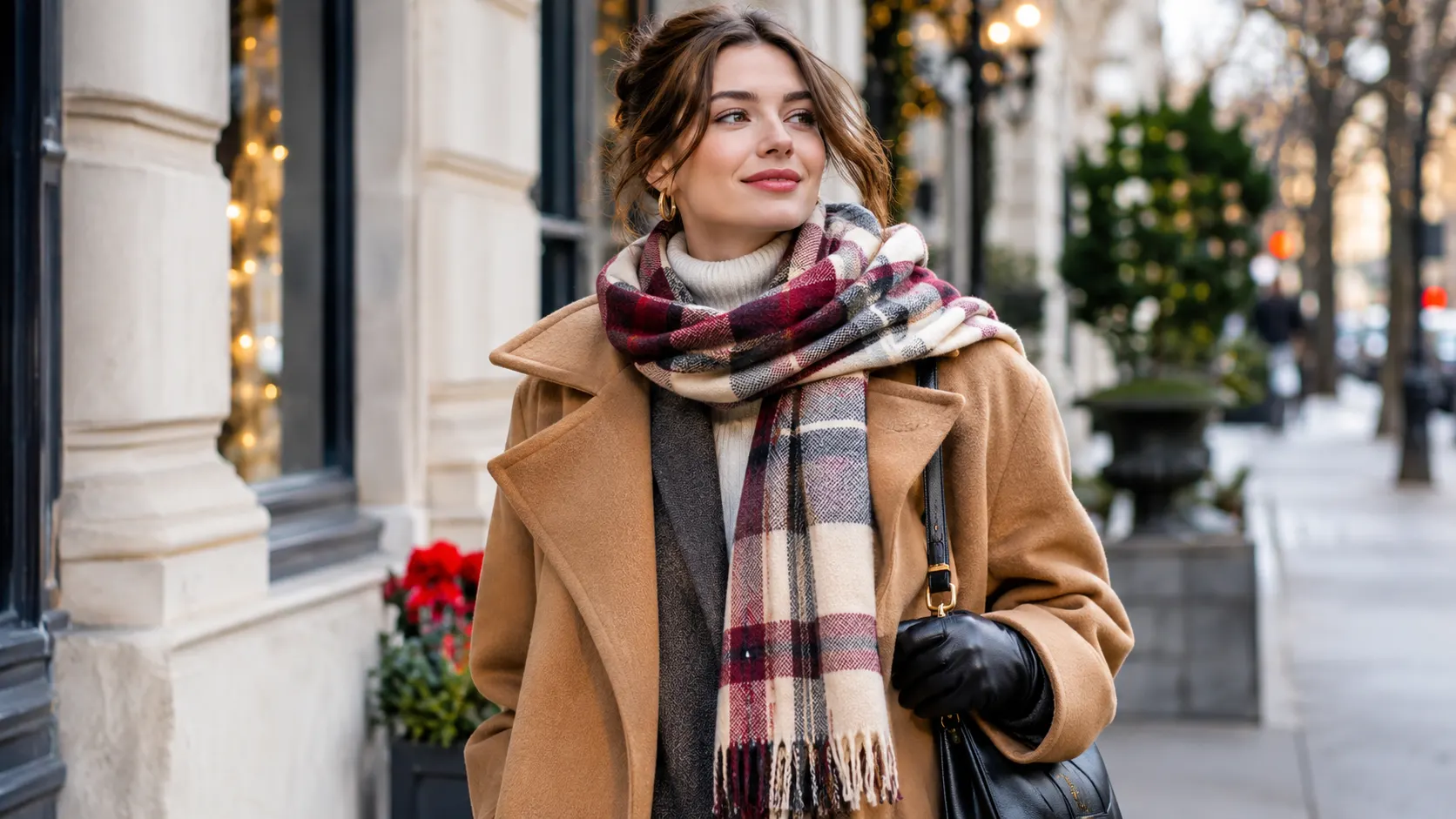
Layering coats with scarves is one of the easiest ways to create comfortable and stylish outfits during colder months. A well-chosen scarf adds warmth, texture, and personality to almost any coat. Whether you prefer classic wool coats, casual puffers, or elegant trench coats, the right scarf can make your outfit feel more complete.
However, combining coats and scarves requires more than simply wrapping fabric around your neck. Different materials, colors, lengths, and tying techniques can affect the overall appearance of your outfit. Choosing the wrong combination may create unnecessary bulk or make your layers uncomfortable throughout the day.
Understanding how to layer coats with scarves helps you create practical outfits without sacrificing personal style. This guide explores different coat styles, scarf materials, color combinations, wrapping techniques, and common layering mistakes. You will also discover simple styling ideas for everyday wear, work, travel, and special occasions.
Why Layering Coats With Scarves Works So Well
Layering coats with scarves combines practical warmth with creative styling opportunities. A scarf protects the neck and upper chest from cold air while adding another visual element to an outfit. It can introduce color, texture, or subtle patterns without requiring an entirely different wardrobe. This makes scarves useful accessories during autumn and winter.
Another advantage of scarf layering is its versatility across different coat styles. A lightweight scarf can complement a structured trench coat, while a chunky knitted scarf works beautifully with relaxed winter outerwear. Changing the scarf can create a noticeably different look using the same coat. This flexibility makes seasonal dressing more interesting.
Scarves also help balance the appearance of an outfit by connecting different clothing elements. For example, a scarf can bring together the colors of a coat, sweater, and trousers. It can also soften structured outerwear or add definition to simple clothing. Thoughtful layering creates a coordinated appearance without complicated styling techniques.
Choosing the Right Scarf for Your Coat
Selecting the right scarf begins with understanding your coat’s material, shape, and neckline. Structured wool coats often work well with medium-weight scarves that drape naturally. Oversized coats can accommodate larger scarves without making the outfit feel restrictive. Lightweight coats usually look more balanced with thinner accessories.
Scarf length also affects how comfortably it can be styled around different coats. Long scarves provide more options for wrapping, knotting, and creating loose drapes. Shorter scarves are useful when you prefer minimal fabric around your neck. The best choice depends on your coat’s collar and the amount of coverage you need.
Pay attention to how your scarf feels against your skin, especially when wearing it for extended periods. Soft wool blends, cashmere, cotton, and fleece offer different levels of warmth and comfort. Avoid materials that feel irritating or excessively heavy for your climate. A comfortable scarf makes winter layering easier to maintain throughout the day.
How to Layer Scarves With Wool Coats
Wool coats are classic outerwear pieces that pair naturally with many scarf styles. Their structured appearance works particularly well with soft scarves that introduce gentle movement and texture. Cashmere, fine wool, and medium-weight knitted scarves are useful choices. These materials provide warmth while complementing the coat’s traditional design.
For a polished everyday outfit, drape a long scarf loosely around your neck and let both ends hang down the front. This simple arrangement works well with single-breasted and double-breasted wool coats. You can also wrap one end around your neck for additional warmth. Keep the fabric comfortable rather than tightly secured.
Neutral wool coats provide an excellent background for experimenting with scarf colors. A camel coat looks attractive with cream, brown, burgundy, or dark green accessories. Black and gray coats can accommodate almost any color combination. Choose shades that work with your existing wardrobe for easy everyday styling.
Styling Scarves With Trench Coats
Trench coats are versatile outerwear pieces commonly worn during mild autumn and spring weather. Their lightweight construction works best with scarves that provide comfort without excessive thickness. Silk, cotton, modal, and lightweight wool are suitable options. These materials complement the coat’s clean lines and adjustable waist belt.
One simple approach is to wear a scarf loosely inside the trench coat. This creates a subtle layered appearance while keeping the fabric protected from wind. Another option involves draping the scarf over the coat with both ends hanging naturally. Either method works with casual clothing and more structured outfits.
Printed scarves can add visual interest to traditional beige, navy, or black trench coats. Small geometric patterns, stripes, and soft floral designs provide attractive contrast. When using a patterned scarf, keep the remaining outfit relatively simple. This creates balance and allows the scarf to become a noticeable accessory.
Layering Scarves With Puffer Jackets
Puffer jackets provide substantial insulation and are popular for cold-weather activities. Because these jackets already have a padded appearance, scarf selection requires some attention to volume. Lightweight knitted scarves and soft fleece options often work better than extremely bulky accessories. The goal is to add warmth without restricting movement.
A simple loop around the neck is usually enough when wearing a high-collar puffer jacket. If the jacket closes tightly around the neck, consider wearing a thinner scarf underneath it. This arrangement helps prevent uncomfortable fabric buildup near the chin. Practical layering should allow you to move and breathe comfortably.
Color coordination can make casual puffer outfits feel more intentional. A black puffer works with gray, cream, olive, or colorful scarves. Neutral accessories create a simple everyday look, while brighter colors introduce contrast. Pair the combination with comfortable trousers and suitable winter footwear for a practical cold-weather outfit.
How to Wear Scarves With Long Coats
Long coats provide excellent opportunities for experimenting with different scarf lengths and draping methods. Their extended silhouette creates a natural background for scarves that hang vertically. Long wool scarves, soft knitted wraps, and medium-weight cashmere accessories work particularly well. Choosing complementary proportions helps create a comfortable overall appearance.
For a simple look, drape your scarf around your neck with both ends hanging down the front. This arrangement follows the coat’s vertical lines and creates a relaxed appearance. You can also wrap the scarf once around your neck when additional warmth is needed. Avoid excessive wrapping if the coat already has a large collar.
Long coats are suitable for both casual and more formal outfits. Pair a charcoal coat with a cream scarf for a classic combination. Alternatively, combine a brown coat with a muted green or patterned scarf. These small styling changes can make familiar outerwear feel fresh without requiring additional clothing purchases.
Best Scarf Fabrics for Winter Coat Layering
Scarf fabric affects warmth, softness, breathability, and the overall appearance of layered clothing. Wool is a popular winter option because its fibers help retain warmth while managing moisture. Merino wool often feels softer than traditional coarse wool. It is particularly useful for everyday scarves worn close to the skin.
Cashmere scarves provide lightweight warmth and a soft texture that complements structured coats. They can be suitable for workwear, travel, and special occasions. However, cashmere generally requires careful cleaning and storage to maintain its condition. Wool-cashmere blends provide another option for combining comfort with practical durability.
Cotton, fleece, and synthetic blends also have useful advantages depending on the weather. Cotton scarves work well during milder temperatures, while fleece provides comfortable insulation during colder conditions. Synthetic materials may offer easier maintenance and faster drying. Choose fabrics according to climate, comfort, and how frequently you wear the accessory.
How to Match Scarf Colors With Different Coats
Color coordination is an important part of layering coats with scarves. The easiest approach involves selecting colors that complement the coat rather than competing with it. Neutral coats such as black, gray, camel, and navy provide flexible styling opportunities. They work with both subtle accessories and more expressive color combinations.
For a monochromatic outfit, choose a scarf from the same color family as your coat. A charcoal coat with a lighter gray scarf creates gentle contrast. Similarly, a camel coat paired with cream or warm brown fabric produces a coordinated look. Different textures prevent these combinations from appearing too uniform.
Contrasting colors are useful when you want the scarf to become the main accessory. Burgundy works beautifully with camel, while forest green complements many neutral coats. A red scarf can add brightness to black or navy outerwear. Keep the remaining clothing relatively simple when experimenting with stronger color combinations.
How to Layer Patterned Scarves With Plain Coats
Patterned scarves are an easy way to introduce personality into simple winter outfits. Plaid, stripes, checks, and geometric prints can transform the appearance of a plain coat. The key is choosing a design that complements your clothing colors. A coordinated pattern creates interest without making the outfit feel overly busy.
Plaid scarves work particularly well with solid wool coats and casual winter jackets. Choose a pattern containing at least one color already present in your outfit. This connects the scarf with the coat and surrounding clothing. For example, a navy and cream plaid scarf pairs naturally with a navy coat.
Smaller patterns often create a subtle appearance, while larger checks or bold prints become more noticeable. Neither approach is necessarily better because personal style determines the final choice. When wearing patterned trousers or sweaters, consider a simpler scarf. Balancing patterns helps maintain a comfortable visual combination.
How to Style Oversized Scarves With Coats
Oversized scarves provide generous coverage and can add texture to cold-weather outfits. They work especially well with relaxed coats, long wool outerwear, and simple jackets. Their larger size allows multiple wrapping and draping techniques. However, managing the fabric carefully prevents unnecessary bulk around the neck and shoulders.
One practical approach is to drape an oversized scarf loosely over both shoulders. This creates a wrap-like appearance and provides additional coverage across the upper body. Another option involves wrapping the scarf once around the neck and allowing the ends to hang freely. Both techniques keep the styling relaxed.
When wearing a large scarf, avoid combining too many bulky layers in the same area. A thick sweater, padded coat, and oversized scarf may feel uncomfortable together. Choose lighter inner layers or adjust the scarf arrangement when necessary. Comfortable proportions make oversized accessories easier to wear throughout the day.
Simple Scarf Tying Techniques for Coat Layering
Different scarf tying techniques can change how an outfit looks and feels. The once-around method is one of the simplest options for everyday wear. Place the scarf around your neck with one end longer than the other. Wrap the longer end once around your neck and let both ends fall naturally.
The Parisian knot is another practical technique for longer scarves. Fold the scarf in half lengthwise and place it around your neck. Pull the loose ends through the folded loop and adjust the fabric comfortably. This method creates a tidy appearance that works particularly well with structured wool coats.
For a relaxed style, try the loose drape without tying the scarf. Simply position the scarf around your neck and allow both ends to hang. You can adjust the length to complement your coat and clothing. This minimal approach works especially well during mild weather when less neck coverage is needed.
How to Wear Scarves With Coats for Work
Work outfits often benefit from scarf combinations that feel comfortable and coordinated. Structured coats paired with lightweight wool or cashmere scarves create a clean appearance. Neutral colors such as navy, charcoal, beige, and cream are easy to combine with professional clothing. Simple styling techniques keep the overall outfit practical.
A scarf worn neatly inside a coat provides warmth without adding excessive volume. This arrangement works well with blazers, tailored trousers, and smart casual clothing. You can also use a simple Parisian knot for a tidy finish. Choose a knot that remains comfortable when commuting or moving between indoor and outdoor environments.
Subtle patterns can add personality without dominating a work outfit. Fine stripes, small checks, and muted plaid designs are versatile choices. Avoid scarves that require constant readjustment during busy activities. Comfortable materials and secure arrangements make daily layering easier and more convenient.
Casual Coat and Scarf Outfit Ideas
Casual layering provides plenty of opportunities to experiment with different scarf combinations. A relaxed wool coat paired with a chunky knitted scarf creates a comfortable autumn or winter outfit. Add straight-leg jeans, a simple sweater, and ankle boots for practical everyday clothing. Neutral accessories help keep the overall look coordinated.
For an outdoor weekend outfit, combine a puffer jacket with a lightweight scarf and comfortable trousers. This arrangement provides warmth without making movement difficult. Choose footwear appropriate for the weather and planned activities. A knitted hat can provide additional protection during colder conditions without requiring complicated styling.
Another casual option involves wearing a short coat with a long scarf draped loosely around the neck. This combination creates an interesting contrast between garment lengths. A striped or plaid scarf adds visual interest to plain outerwear. These simple styling choices make everyday outfits feel more varied.
Layering Scarves With Coats for Special Occasions
Special occasions often call for outerwear that complements the clothing worn underneath. A structured wool coat paired with a soft cashmere scarf creates an elegant appearance. Neutral shades, deep jewel tones, and subtle patterns are useful choices. The scarf should enhance the outfit while providing practical warmth during outdoor activities.
For evening events, consider a lightweight scarf or wrap that drapes comfortably over the shoulders. This approach works well with long coats and tailored outerwear. Soft fabrics create gentle movement without adding excessive bulk. Choose colors that complement your clothing rather than introducing too many competing elements.
A simple scarf arrangement is often easier to manage during formal gatherings. Loose draping or a neat single wrap can provide warmth while maintaining a coordinated appearance. Avoid complicated knots that require frequent adjustment. Comfortable accessories allow you to focus on the occasion rather than managing your outfit.
How to Layer Coats and Scarves in Mild Weather
Scarf layering is not limited to extremely cold temperatures. Lightweight scarves can add comfort and style during spring and autumn when the weather changes throughout the day. Cotton, silk, modal, and thin wool fabrics are useful options. They provide light coverage without creating unnecessary warmth.
Pair a trench coat with a loosely draped scarf for comfortable transitional dressing. A lightweight wool coat also works well with a thin patterned accessory. Choose breathable materials when temperatures are relatively mild. This helps prevent overheating during walking, commuting, or moving between indoor and outdoor spaces.
Mild-weather layering also provides opportunities to experiment with brighter colors. Soft blue, pale green, cream, and muted pink scarves can complement neutral outerwear. Simple patterns introduce interest without overwhelming the outfit. The goal is to create flexible combinations that remain comfortable as temperatures change.
Layering Scarves With Coats in Freezing Weather
Very cold weather requires a stronger focus on insulation and practical comfort. Thick wool scarves, fleece accessories, and insulated coats provide useful protection against low temperatures. Covering the neck and upper chest helps reduce exposure to cold air. Layering should also allow enough room for comfortable movement.
When wearing a high-collar coat, position the scarf underneath the outerwear when possible. This reduces gaps where cold wind could enter. A longer scarf can provide additional coverage by wrapping around the neck once or twice. Avoid tying it so tightly that breathing or movement becomes uncomfortable.
Other winter accessories can improve overall comfort when temperatures fall significantly. Insulated gloves, warm socks, and suitable footwear help protect exposed areas. A hat provides additional coverage for the head and ears. Combining practical accessories creates a more complete cold-weather outfit without relying entirely on a thick scarf.
Common Mistakes When Layering Coats With Scarves
One common mistake is combining too many bulky fabrics around the neck. Thick scarves, oversized collars, and heavy sweaters can create uncomfortable layers. This may restrict movement and make the coat difficult to close. Choosing accessories with appropriate thickness helps maintain comfortable proportions.
Another mistake involves selecting scarf materials without considering the weather. A very thick wool scarf may feel uncomfortable during mild autumn temperatures. Similarly, a thin decorative scarf may provide insufficient warmth during freezing conditions. Matching fabric weight to the climate creates a more practical outfit.
Ignoring color coordination can also make layered clothing feel visually disconnected. While contrasting colors can look attractive, combining several competing patterns may create an overly busy appearance. Begin with one noticeable accessory and build the outfit around it. Simple adjustments often create more balanced combinations.
How to Care for Scarves and Coats
Proper clothing care helps scarves and coats maintain their appearance throughout multiple seasons. Different fabrics require different cleaning methods, so always check the garment’s care label. Wool and cashmere may need gentle hand washing or professional cleaning. Cotton and some synthetic materials are often easier to maintain.
Scarves should be stored clean and completely dry to prevent odors and fabric damage. Fold delicate scarves rather than hanging them in ways that might stretch the fibers. Use breathable storage containers for seasonal clothing. Proper storage helps preserve the fabric’s texture and original shape.
Coats also benefit from regular brushing, careful cleaning, and suitable storage. Remove surface dirt and allow damp outerwear to dry before putting it away. Use supportive hangers for structured coats to maintain their shape. Caring for both garments ensures your favorite layering combinations remain useful for longer.
How to Build a Versatile Scarf Collection
A versatile scarf collection does not require purchasing numerous accessories. A few carefully chosen pieces can complement several different coats and outfits. Begin with a neutral scarf in a color that works with your existing wardrobe. Gray, cream, black, and camel are practical starting points.
Adding one patterned scarf provides another way to create visual variety. Plaid, stripes, or small geometric patterns work well with plain outerwear. A thicker knitted scarf can serve colder days, while a lightweight option suits transitional weather. Choosing different fabric weights increases the collection’s usefulness.
Focus on comfort, durability, and how frequently you expect to wear each scarf. High-quality materials can be worthwhile when they suit your climate and care preferences. Avoid purchasing accessories that work with only one outfit unless they serve a specific purpose. A thoughtful collection makes seasonal styling easier and more practical.
Conclusion
Layering coats with scarves is a simple way to combine warmth, comfort, and personal style. Different scarf materials, colors, and tying techniques can transform everyday outerwear. Whether wearing a wool coat, trench coat, or puffer jacket, choosing the right accessory helps create balanced combinations.
Successful scarf layering begins with understanding fabric weight, coat structure, and weather conditions. Lightweight scarves work well during mild temperatures, while wool and fleece provide greater warmth in winter. Comfortable arrangements and coordinated colors make the overall outfit easier to wear.
Experimenting with different scarves allows you to refresh familiar coats without replacing your wardrobe. Small changes in texture, color, and styling can create noticeably different looks. With thoughtful choices, coat and scarf combinations can remain practical, comfortable, and appealing throughout the colder seasons.
Frequently Asked Questions
How do you layer a scarf over a coat?
Place the scarf around your neck and choose a comfortable wrapping method. You can drape both ends down the front, wrap one end around your neck, or use a simple Parisian knot.
Should you wear a scarf inside or outside your coat?
Both methods work depending on the coat and weather. Wearing a scarf inside provides a tidy appearance and reduces gaps, while wearing it outside allows the fabric and pattern to become more noticeable.
What type of scarf looks best with a wool coat?
Cashmere, merino wool, and medium-weight knitted scarves pair well with wool coats. Choose a material that complements the coat’s texture and provides enough warmth without creating excessive bulk around the neckline.
Can you wear an oversized scarf with a long coat?
Yes, oversized scarves work well with long coats when the fabric is arranged comfortably. A loose drape or single wrap creates an appealing combination without adding unnecessary bulk around the shoulders.
What scarf colors go with a black coat?
Black coats are versatile and pair with cream, gray, camel, burgundy, green, and many other colors. Neutral scarves create a subtle appearance, while brighter shades add contrast and personality to winter outfits.