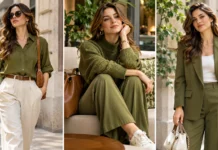

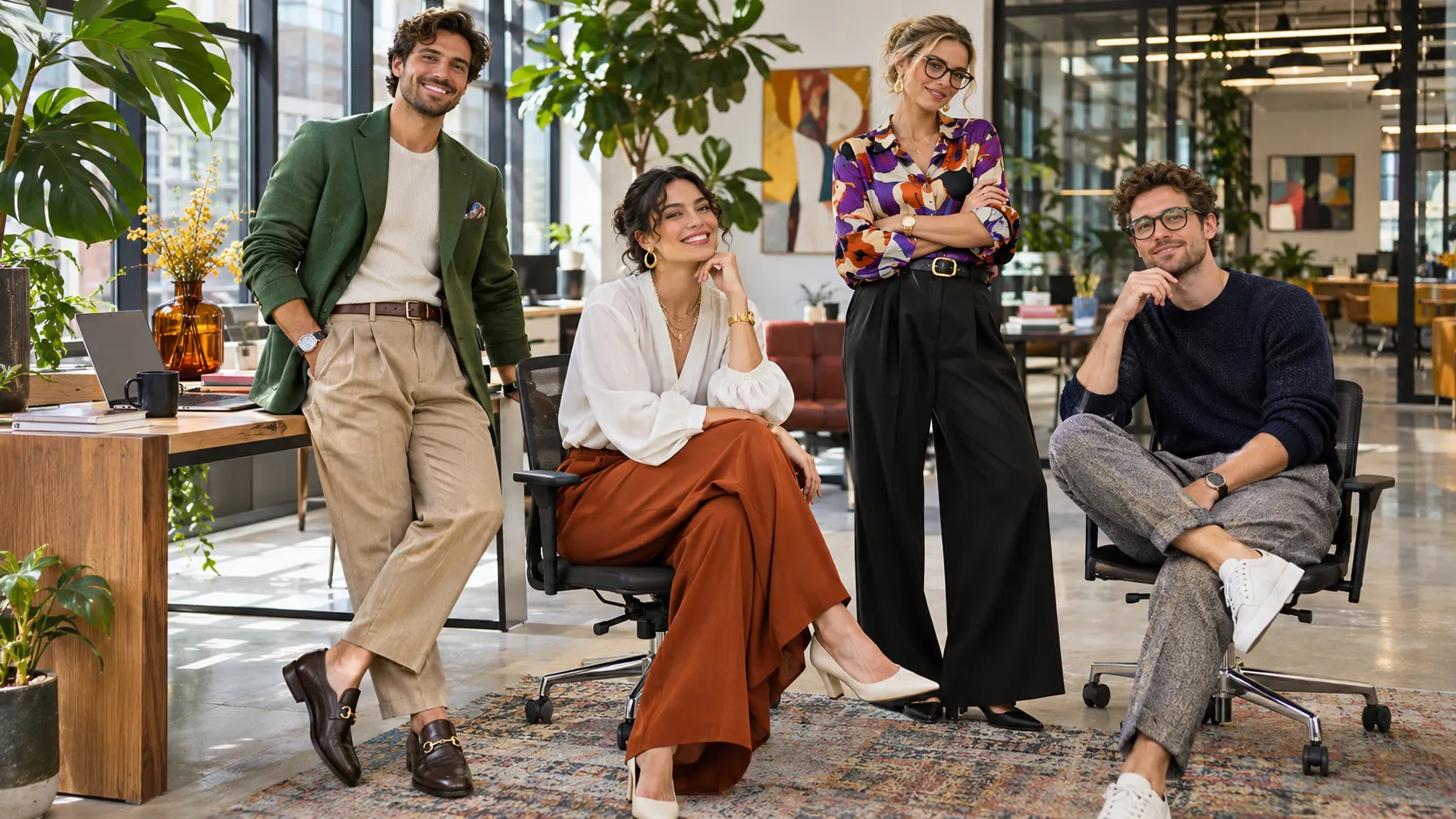
Dressing for work does not always mean wearing traditional suits, plain shirts, or neutral colors. Modern workplaces increasingly allow employees to express their personalities through clothing while maintaining a professional appearance. Creative office style combines comfort, individuality, and workplace-appropriate fashion to create outfits that feel practical and interesting. Whether you work in a design studio, marketing agency, technology company, or modern office, creative styling can make everyday dressing more enjoyable.
Building a creative work wardrobe does not require expensive designer clothing or constant shopping. Small changes involving colors, fabrics, accessories, and layering can refresh familiar outfits. The key is understanding your workplace expectations while choosing clothing that reflects your preferences. This guide explores creative office outfit ideas, useful wardrobe essentials, and easy styling tips for different professional environments.
What Is Creative Office Style?
Creative office style refers to a flexible approach to workplace clothing that combines professional presentation with personal expression. Unlike traditional business formal dressing, it allows more variety in colors, patterns, silhouettes, and accessories. Employees can create outfits that reflect their preferences while respecting workplace requirements. The exact level of flexibility depends on the organization.
Creative workplaces often encourage clothing that feels relaxed without sacrificing practicality. For example, someone might pair tailored trousers with a colorful shirt or wear a patterned dress with a simple jacket. These combinations create visual interest while remaining suitable for many professional settings. However, workplace expectations can differ significantly between companies.
The purpose of creative office fashion is not to follow unusual trends or wear attention-grabbing clothing every day. Instead, it provides opportunities to explore different combinations using familiar wardrobe pieces. Comfort, personal identity, and the demands of the workday remain important considerations. A practical outfit should support both professional activities and individual preferences.
Why Creative Office Fashion Is Becoming Popular
Many modern workplaces have moved toward more flexible clothing expectations. Employees in creative industries, technology businesses, and collaborative offices may have greater freedom to choose what they wear. This shift has encouraged more interest in personal styling. Traditional formal clothing is no longer the only option in every professional environment.
Creative office fashion also reflects the changing nature of work. Some employees divide their time between offices, remote meetings, and informal professional events. Clothing that adapts to different situations can be convenient. A versatile wardrobe helps people transition between activities without requiring completely separate outfits.
Personal comfort is another reason for the popularity of flexible office dressing. Many people prefer clothing that allows easy movement throughout the day. Creative styling offers opportunities to combine comfortable fabrics with polished designs. The result can be a professional wardrobe that feels useful rather than unnecessarily restrictive.
Build a Creative Office Wardrobe With Versatile Basics
A practical creative office wardrobe begins with clothing that can be combined in several ways. Well-fitting trousers, comfortable shirts, simple knitwear, and suitable outerwear provide useful starting points. These pieces can support both casual and slightly more formal outfits. Choosing versatile basics reduces the need for frequent clothing purchases.
Neutral colors such as black, navy, beige, white, and gray can make outfit coordination easier. However, a creative wardrobe does not need to rely entirely on neutral shades. Colorful shirts, patterned trousers, and interesting textures can provide variety. The most useful combination depends on your existing clothing and personal preferences.
Consider how each garment works with other items before adding it to your wardrobe. A simple jacket might complement jeans, tailored trousers, and several different tops. This flexibility makes everyday outfit planning easier. Building gradually also allows you to discover which pieces you genuinely enjoy wearing.
How to Wear Colors in Creative Office Outfits
Color is one of the easiest ways to introduce personality into workplace clothing. Bright shades, soft pastels, and earthy tones can create different visual effects. A colorful blouse or shirt may refresh an otherwise simple outfit. There is no requirement to wear bold colors from head to toe.
Start by adding one or two colors you enjoy to familiar wardrobe combinations. For example, olive trousers can work with a cream sweater, while a blue shirt complements charcoal pants. Experiment with combinations before deciding which ones suit your preferences. Personal expression matters more than rigid color rules.
Colorful accessories can also provide variety without changing the main garments. Bags, scarves, belts, and other details can introduce new shades into an outfit. This approach is useful when your workplace has more conservative clothing expectations. Small color changes can create fresh combinations using pieces you already own.
Creative Office Style With Blazers and Jackets
Blazers are versatile outerwear pieces that can make casual clothing suitable for many professional environments. They are available in structured, relaxed, cropped, and oversized designs. Each style creates a different appearance. Choosing a comfortable fit helps the jacket work with your everyday activities.
A tailored blazer can be paired with straight-leg jeans and a simple shirt for a modern office outfit. Alternatively, a relaxed jacket may complement wide-leg trousers and lightweight knitwear. Patterned blazers can introduce additional visual interest. The right combination depends on workplace expectations and personal preferences.
Denim jackets, lightweight overshirts, and knitted cardigans also provide creative layering options. These pieces may be suitable for offices with flexible dress codes. Consider the weather and indoor temperature when selecting outerwear. Comfortable layers make it easier to adjust clothing throughout the working day.
Styling Creative Office Outfits With Trousers
Trousers are useful wardrobe essentials because they come in many fabrics, cuts, and colors. Straight-leg, wide-leg, tapered, and relaxed designs all provide different styling possibilities. Their versatility makes them suitable for creative office outfits. Choose silhouettes based on comfort and the activities you perform at work.
Tailored trousers can be paired with casual shirts, patterned blouses, or simple sweaters. This combination balances structured clothing with more relaxed pieces. Linen-blend trousers may suit warm weather, while thicker fabrics provide additional comfort in cooler conditions. Fabric choice can influence both appearance and practicality.
Colored trousers offer another way to refresh office outfits. Olive, burgundy, navy, and other shades can work with a variety of tops. If your workplace allows casual dressing, certain denim styles may also be appropriate. Experiment with combinations that feel comfortable and match your professional environment.
How to Style Jeans for a Creative Workplace
Jeans can be suitable for some creative offices when the dress code allows denim. Their flexibility makes them easy to combine with different shirts, jackets, and footwear. Straight-leg, relaxed, and wide-leg styles are common options. The most appropriate choice depends on workplace policies and the appearance you prefer.
For a simple outfit, combine jeans with a button-down shirt and comfortable loafers. Adding a blazer creates a different look without requiring a complete wardrobe change. A lightweight sweater also works well for more relaxed office settings. These combinations demonstrate how familiar clothing can support professional activities.
When choosing office denim, consider the fabric, fit, and overall condition of the garment. Some workplaces may restrict distressed designs or particular washes. Reviewing company expectations helps avoid unnecessary uncertainty. Comfortable jeans in good condition can be useful additions to a flexible work wardrobe.
Creative Office Dresses and Skirt Outfit Ideas
Dresses provide convenient styling options because they can create a complete outfit with relatively few pieces. Shirt dresses, wrap dresses, and relaxed midi styles offer different possibilities. They can be paired with jackets, cardigans, or suitable footwear. Choose designs that match your comfort and workplace activities.
Skirts are another flexible option for creative office fashion. Pleated, straight, A-line, and flowing styles can be combined with blouses or knitwear. Patterned skirts may introduce color, while simple designs work with several tops. The ideal combination depends on personal preferences rather than strict styling formulas.
Layering can make dresses and skirts suitable for different seasons. A cardigan may provide warmth during cooler mornings, while a lightweight blazer creates a more structured outfit. Comfortable shoes complete the combination. Selecting versatile pieces helps create several looks without needing an extensive wardrobe.
How to Mix Patterns and Textures for Work
Mixing patterns and textures can make creative office outfits more interesting. Stripes, checks, floral prints, and abstract designs offer different styling possibilities. Combining them requires no complicated fashion rules. Start with familiar patterns and gradually experiment with new combinations.
One easy approach is pairing a patterned shirt with plain trousers or a simple skirt. This creates contrast while keeping outfit planning straightforward. Alternatively, a checked blazer can complement a neutral top and casual pants. Different fabrics also create visual interest without relying on bold prints.
Texture combinations can include denim, cotton, knitwear, linen, and structured woven materials. A soft sweater paired with tailored trousers offers a different appearance from a crisp cotton shirt. Consider how the materials feel throughout the workday. Practical fabric choices support comfort while allowing creative expression.
Creative Office Footwear That Works
Footwear is an important part of any work outfit because it affects comfort and daily movement. Creative office dress codes may allow sneakers, loafers, boots, flats, and other styles. The most suitable shoes depend on workplace expectations and the activities involved. Personal comfort should remain a priority.
Clean sneakers can complement jeans, tailored trousers, and casual dresses in offices with flexible policies. Loafers provide another option for both relaxed and professional combinations. Boots may work well during cooler seasons. Different footwear choices can change an outfit’s appearance without replacing the main garments.
Choose shoes that fit properly and support comfortable walking or standing. Footwear that causes discomfort may become inconvenient during long working days. Consider weather conditions and the surfaces you regularly use. A small collection of versatile shoes can provide options for different professional situations.
Use Accessories to Personalize Office Outfits
Accessories offer opportunities to express personal style without making major wardrobe changes. Watches, scarves, bags, belts, and jewelry can introduce different colors or textures. These details can complement simple clothing combinations. Choose accessories based on practical needs and individual preferences.
A patterned scarf can refresh a neutral outfit, while a colorful bag may introduce a contrasting shade. Belts can also add decorative interest to trousers or dresses. Some people prefer minimal accessories, while others enjoy more noticeable pieces. Both approaches can work in creative office environments.
Practicality is important when selecting accessories for work. Bags should provide enough space for everyday essentials, and jewelry should not interfere with job responsibilities. Consider any safety requirements associated with your workplace. The best accessories combine personal expression with convenience.
Creative Office Style for Different Seasons
Seasonal changes create opportunities to experiment with different fabrics and layering combinations. During warmer months, breathable materials such as cotton and linen blends may provide comfort. Lightweight shirts, relaxed trousers, and suitable dresses are common choices. Outdoor temperatures and office climate control should guide clothing decisions.
Cooler weather allows additional layering with sweaters, jackets, and cardigans. A simple shirt beneath a knitted sweater can create a comfortable professional outfit. Structured coats may also work with casual office clothing. Choose layers that provide warmth without limiting normal movement.
Seasonal wardrobes do not need to involve completely different clothing collections. Many garments can transition between seasons with simple adjustments. For example, a lightweight dress may work with a cardigan during cooler weather. Reusing versatile pieces supports practical wardrobe planning throughout the year.
Creative Office Outfit Examples for Everyday Work
A simple creative office outfit can include straight-leg trousers, a colorful shirt, and comfortable loafers. This combination provides a balance between relaxed and structured clothing. Adding a blazer creates a slightly more formal variation. It can work for many meetings and regular office activities.
Another option combines dark jeans, a lightweight sweater, and a casual jacket. This outfit may suit workplaces with flexible dress codes. Switching the jacket for a cardigan creates a softer appearance. Different accessories can provide additional variety without changing the main pieces.
For someone who prefers dresses, a patterned midi dress with flats and a simple cardigan offers another possibility. A coordinated bag can complete the outfit. The same dress may be styled with boots during cooler weather. These examples show how basic wardrobe items can support different creative combinations.
Creative Office Style for Meetings and Presentations
Meetings and presentations sometimes require clothing that differs from everyday office outfits. The appropriate level of formality depends on the organization, audience, and event. A creative workplace may still expect polished clothing during client meetings. Preparing suitable options in advance makes these situations easier to manage.
A blazer paired with tailored trousers and a comfortable shirt is one versatile option. A simple dress with structured outerwear can also work. Color and patterns may remain part of the outfit when appropriate. The goal is to respect the setting while maintaining personal comfort.
Consider practical details such as footwear, temperature, and the amount of movement required. An outfit should allow you to sit, stand, and present comfortably. Avoid trying unfamiliar clothing for an important event without checking the fit first. Preparation helps keep attention on the professional activity.
How to Create a Creative Office Capsule Wardrobe
A capsule wardrobe is a smaller collection of clothing selected to work together across different outfits. For creative office fashion, it may include several tops, trousers, outerwear pieces, and suitable shoes. The exact number depends on personal needs. The goal is flexibility rather than meeting a fixed clothing limit.
Begin by identifying the garments you wear most often. Choose pieces that combine comfortably and suit your workplace. Add colors or patterns that reflect your personal style. A capsule wardrobe can include both neutral basics and more expressive items.
Review your clothing periodically as seasons and work requirements change. Replace worn items when necessary and consider whether new purchases complement existing pieces. A capsule approach can simplify everyday dressing. It also encourages thoughtful shopping without restricting creativity.
Budget-Friendly Creative Office Styling Tips
Creating interesting office outfits does not require frequent purchases or expensive fashion brands. Start by exploring new combinations using clothing already in your wardrobe. A familiar shirt may look different when paired with another jacket or pair of trousers. Small changes can provide plenty of styling variety.
Secondhand shopping and clothing alterations may also help expand outfit options. Well-maintained garments can remain useful for years with appropriate care. Simple repairs, such as replacing buttons or adjusting hems, may improve comfort. Consider quality and practicality before making purchasing decisions.
Planning purchases around genuine wardrobe needs can also reduce unnecessary spending. Before buying an item, consider how often you might wear it and what existing clothing matches it. Choose pieces that support your lifestyle. Thoughtful decisions make creative styling more accessible and sustainable.
Common Creative Office Styling Mistakes to Avoid
One common mistake is assuming that creative office clothing has no professional expectations. Even flexible workplaces may have guidelines for meetings, safety, or particular job responsibilities. Understanding company policies helps prevent uncomfortable situations. Personal expression and workplace requirements can work together.
Another mistake involves purchasing unusual clothing simply because it appears fashionable. A trend may not suit your daily activities or personal preferences. Consider whether the garment is comfortable and works with existing pieces. Building outfits around genuine preferences often creates a more useful wardrobe.
Ignoring garment care can also affect how clothing looks over time. Wrinkled fabrics, damaged seams, or unsuitable cleaning methods may reduce the lifespan of favorite pieces. Following care labels helps maintain their condition. Simple wardrobe maintenance supports practical and consistent office dressing.
How to Find Your Personal Creative Office Style
Developing a personal office style begins with understanding which clothing makes everyday activities comfortable and enjoyable. Review the outfits you already like wearing. Notice the colors, fabrics, and silhouettes you prefer. These details can guide future clothing combinations.
Experiment gradually rather than changing your entire wardrobe at once. Try a patterned shirt, a different jacket, or an unfamiliar color combination. Small experiments allow you to discover new preferences without unnecessary spending. There is no requirement to adopt every fashion trend.
Personal style may also change as your work environment and lifestyle develop. Clothing suitable for one office may not match another workplace’s expectations. Adjusting your wardrobe does not mean abandoning individuality. The most practical approach combines personal preferences, comfort, and professional requirements.
Conclusion
Creative office style offers a flexible way to combine professional clothing with personal expression. It allows employees to experiment with colors, patterns, textures, and different silhouettes while respecting workplace expectations. Blazers, trousers, jeans, dresses, and comfortable footwear provide useful styling options. The best combinations depend on individual preferences and daily activities.
Building a creative work wardrobe does not require expensive purchases or complicated fashion rules. Versatile basics, thoughtful layering, and suitable accessories can create many different outfits. Checking workplace guidelines and garment comfort helps make practical choices. Small adjustments can refresh familiar clothing throughout the year.
Ultimately, creative office fashion should make getting dressed for work more convenient and enjoyable. Experiment with combinations that reflect your personality while supporting professional responsibilities. Focus on comfortable clothing, useful wardrobe pieces, and thoughtful shopping decisions. With a flexible approach, everyday office outfits can feel both practical and expressive.
Frequently Asked Questions (FAQs)
What is creative office style?
Creative office style combines professional clothing with personal expression through colors, patterns, textures, and different silhouettes. It allows more flexibility than traditional formal business dress while still respecting workplace requirements.
What should I wear to a creative office?
You can consider tailored trousers, casual shirts, blazers, jeans, dresses, or comfortable knitwear depending on the dress code. Choose practical combinations that reflect your preferences and support daily work activities.
Can you wear jeans in a creative office?
Yes, many creative workplaces allow jeans as part of their everyday dress code. However, policies vary between companies. Choose comfortable denim and combine it with appropriate shirts, jackets, or footwear.
How can I make my office outfits more creative?
Experiment with colorful tops, patterned clothing, textured fabrics, accessories, and different layering combinations. Small changes can refresh familiar outfits without requiring expensive purchases or a completely new wardrobe.
How do you build a creative office wardrobe on a budget?
Start with versatile basics, reuse existing clothing, explore secondhand options, and make simple alterations when needed. Choose garments that work with several outfits and suit your workplace requirements.