
Victorian fashion history offers a fascinating look at how clothing reflected society, culture, and personal style during the 19th century. From elegant gowns and fitted jackets to lace collars and decorative accessories, Victorian clothing introduced many details that still influence fashion today. Understanding these styles can help you appreciate historical outfits while finding practical ways to include vintage-inspired pieces in your wardrobe.
The Victorian era lasted from 1837 to 1901, during the reign of Queen Victoria in Britain. Fashion changed considerably throughout these decades as new materials, manufacturing techniques, and social expectations shaped everyday clothing. Women’s dresses, men’s formalwear, and children’s outfits all developed distinctive features during this period.
Today, Victorian-inspired fashion is popular among vintage enthusiasts, designers, and people who enjoy timeless clothing. You do not need elaborate gowns or expensive accessories to explore this style. Simple additions, such as high-neck blouses, ankle boots, and tailored coats, can bring Victorian elegance into modern outfits.
What Is Victorian Fashion History?
Victorian fashion history covers the clothing styles, accessories, and fashion traditions that developed between 1837 and 1901. During this period, British fashion influenced trends across Europe and beyond, although regional traditions remained important. Clothing often communicated wealth, occupation, social position, and personal identity through fabric choices, construction, and decoration.
The Victorian era was not defined by one single fashion style. Women’s clothing moved from full skirts and narrow waists to structured bustles and more practical late-century silhouettes. Men’s fashion also changed as tailored suits, waistcoats, and formal coats became increasingly important in professional and social settings.
Fashion during this period reflected technological developments and changing lifestyles. Sewing machines, textile manufacturing, and expanding retail markets made certain garments more accessible. However, fashionable clothing still varied greatly according to income, occupation, location, and the occasion for which it was worn.
Early Victorian Fashion: Clothing Styles From 1837 to 1850
Early Victorian women’s fashion featured fitted bodices, sloping shoulders, and full skirts supported by layers of petticoats. Dresses often included long sleeves, delicate trims, and carefully shaped waistlines. Popular fabrics ranged from practical cotton and wool to luxurious silk, depending on the wearer’s circumstances and the occasion.
Day dresses usually offered more coverage and practical construction than evening gowns. High necklines, modest collars, and long sleeves were common in fashionable daytime clothing. Evening dresses, however, often featured wider necklines, shorter sleeves, and decorative fabrics that suited formal dinners, dances, and fashionable social gatherings.
Men commonly wore tailored coats, waistcoats, trousers, and neckwear. Dark colors became increasingly associated with respectable professional dress, although colorful waistcoats and patterned fabrics remained fashionable. Hats, gloves, and polished footwear completed many outfits, helping establish the formal appearance commonly associated with early Victorian gentlemen.
Mid-Victorian Fashion: Crinolines and Full Skirts
The middle decades of Victorian fashion history are especially remembered for dramatic skirt shapes. During the 1850s, cage crinolines became popular because they supported wide skirts without requiring numerous heavy petticoats. These structures created the recognizable bell-shaped silhouette seen in many illustrations and surviving dresses.
Crinolines allowed fashionable skirts to expand outward, creating space for decorative fabric and elaborate trimming. Some dresses featured tiered flounces, ribbons, floral patterns, and contrasting materials. Although the cage structure reduced the weight of layered petticoats, very wide skirts could still make movement difficult in crowded spaces.
As industrial textile production developed, printed cottons and manufactured fabrics became more widely available. Fashion magazines and illustrated publications also helped spread new styles. Nevertheless, clothing quality and fashionable details continued to differ between wealthy households, working families, and people living outside major fashion centers.
Late Victorian Fashion: Bustles and Changing Silhouettes
By the late 1860s and 1870s, women’s fashionable skirts began shifting their fullness toward the back. Bustles and carefully arranged drapery created a distinctive silhouette with additional volume behind the waist. This development replaced the earlier emphasis on equally wide skirts and introduced new opportunities for decorative tailoring.
During the 1880s, bustle structures became particularly prominent in fashionable dress. Skirts featured elaborate pleating, layered overskirts, and decorative panels that emphasized their shape. Bodices were often closely fitted, while structured jackets and coordinated ensembles helped create a polished appearance for daytime and formal occasions.
Fashion changed again during the 1890s as bustle styles declined and large sleeves became fashionable. Tailored jackets, shirtwaists, and simpler skirts reflected changing activities and growing interest in practical clothing. These developments helped prepare the way for several trends associated with early 20th-century fashion.
Victorian Women’s Clothing and Popular Dress Styles
Victorian women’s clothing included far more than the elaborate gowns commonly displayed in historical films. Everyday wardrobes often contained practical dresses, skirts, blouses, jackets, shawls, and outdoor garments. Clothing choices depended on social position, daily responsibilities, personal preferences, available resources, and changing seasonal conditions.
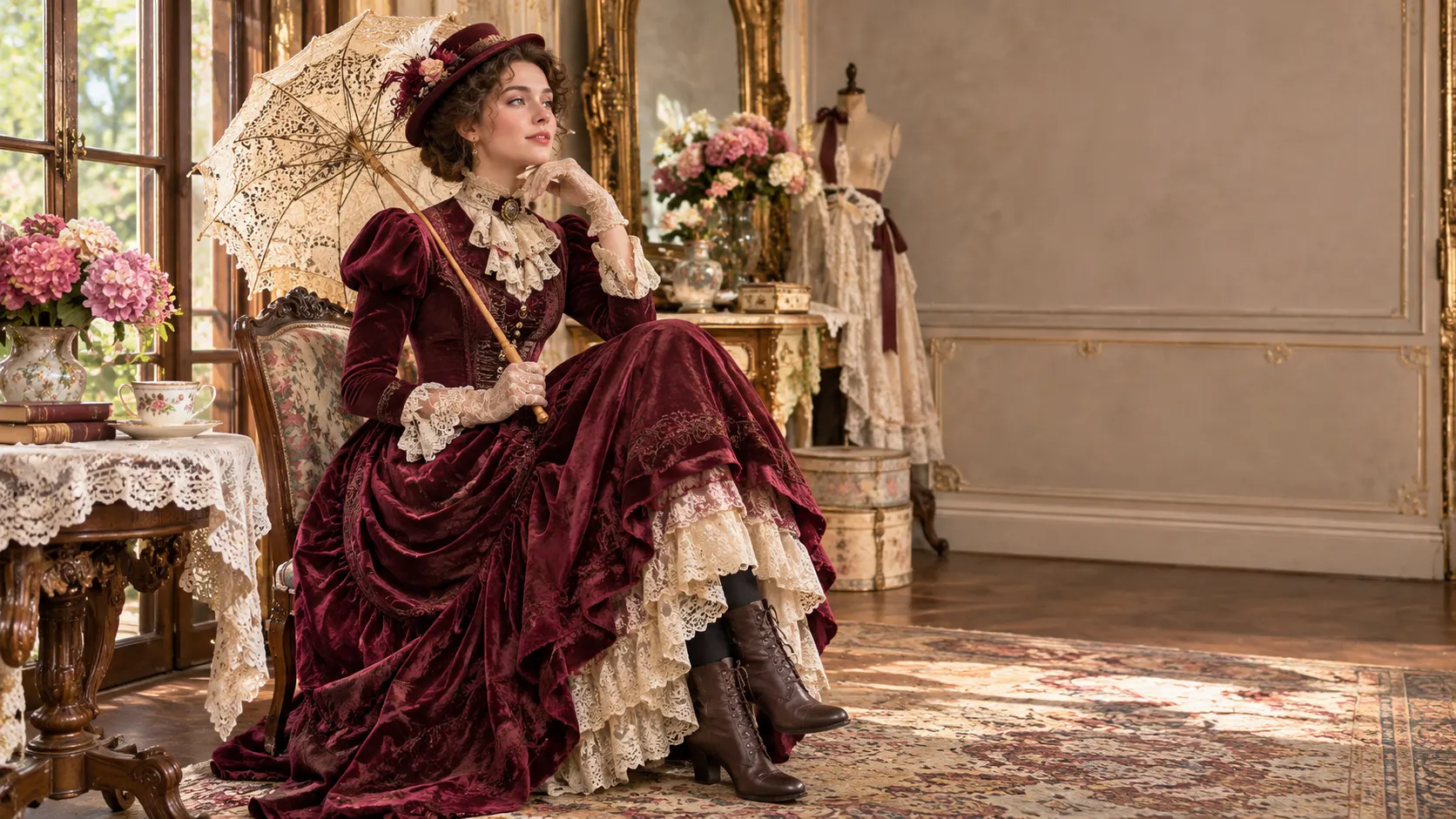
Fashionable dresses typically combined carefully constructed bodices with skirts shaped according to the decade. Decorative elements included lace, embroidery, ribbons, buttons, and fabric trimmings. Women also wore separate garments that could be combined or adjusted, allowing their wardrobes to serve different occasions without requiring completely new outfits.
Working women often prioritized durability, comfort, and ease of movement. Their clothing could include simpler skirts, sturdy fabrics, aprons, and practical outerwear. This distinction matters because Victorian fashion history includes the experiences of ordinary people, not only the expensive clothing preserved in museum collections.
Victorian Men’s Fashion and Traditional Gentleman Style
Victorian men’s fashion emphasized tailoring, structured garments, and accessories that communicated respectability. Common items included frock coats, waistcoats, trousers, and carefully tied neckwear. The exact combination varied with the decade, social occasion, occupation, and financial circumstances of the wearer.
Formal clothing frequently featured dark wool fabrics, polished shoes, and well-maintained hats. Waistcoats introduced opportunities for color, pattern, and decorative detail without changing the overall tailored appearance. During the later Victorian years, lounge suits became increasingly common for less formal activities and eventually influenced modern business clothing.
Accessories completed fashionable men’s outfits. Pocket watches, walking sticks, gloves, and different hat styles could indicate taste or social expectations. Modern menswear still reflects these traditions through three-piece suits, tailored overcoats, leather boots, and classic accessories that create a coordinated appearance.
Victorian Corsets, Petticoats, and Undergarments
Undergarments played an essential role in shaping fashionable Victorian silhouettes. Women’s wardrobes could include chemises, drawers, corsets, petticoats, and structural skirt supports. These layers helped protect outer garments, create fashionable proportions, and provide coverage beneath dresses made from different fabrics.
Corsets were worn in various forms throughout the Victorian period. Their construction, fit, and purpose changed over time, and experiences differed among wearers. Although extreme tight-lacing appears in some historical discussions, it should not be mistaken for the universal everyday experience of Victorian women.
Petticoats, crinolines, and bustles supported the changing shapes of fashionable skirts. Modern Victorian-inspired outfits can suggest these silhouettes through ordinary tailoring and layered fabrics instead. You can capture the historical appearance without wearing restrictive clothing or recreating complicated undergarment structures.
Fabrics, Colors, and Patterns in Victorian Fashion
Victorian clothing used a broad selection of materials, including cotton, wool, linen, silk, velvet, and lace. Fabric selection often depended on the season, clothing purpose, and household budget. Expensive silk gowns and velvet jackets demonstrated luxury, while durable cotton dresses served everyday needs.
The development of synthetic dyes during the Victorian period expanded the range of available colors. Bright purple, rich green, deep blue, and other fashionable shades appeared alongside traditional black, brown, and neutral tones. Popular color choices changed over time, reflecting technology, taste, and occasion rather than one fixed Victorian palette.
Patterns also contributed to the era’s distinctive appearance. Floral prints, stripes, checks, and decorative woven designs appeared across different garments. Today, choosing a floral blouse, velvet jacket, or patterned waistcoat provides an easy way to reference historical fashion without creating an entire period costume.
Victorian Fashion Accessories That Defined the Era
Accessories were important elements of Victorian personal style. Fashionable women wore bonnets, hats, gloves, parasols, shawls, and decorative jewelry. Different accessories suited particular occasions, and their appearance changed as hairstyles, dress silhouettes, and social customs developed throughout the century.
Jewelry frequently included brooches, lockets, bracelets, and necklaces decorated with gemstones or intricate metalwork. Some pieces held sentimental meaning, including items associated with family relationships or remembrance. Hair ornaments and decorative pins also contributed to fashionable hairstyles, especially for formal gatherings.
Modern wardrobes can borrow these details through simple, carefully selected accessories. A vintage-style brooch can add character to a plain blazer, while a lace collar can transform a basic blouse. Small additions create a recognizable Victorian influence without making everyday clothing feel overly theatrical.
Victorian Hairstyles and Beauty Traditions
Victorian hairstyles evolved considerably between the 1830s and the end of the century. Early fashionable styles often included center parts, smooth sections, and carefully arranged curls. Later hairstyles incorporated buns, braids, decorative combs, and arrangements that complemented changing hats and dress silhouettes.
Hair accessories provided opportunities for personal decoration. Ribbons, flowers, pins, and ornamental combs could enhance both simple and elaborate hairstyles. Fashion illustrations promoted idealized appearances, but everyday hairstyles varied according to occupation, age, resources, and the practical demands of daily life.
For a modern Victorian-inspired appearance, consider a low bun, soft braid, or neatly arranged half-up hairstyle. Decorative clips and small ribbons can provide additional vintage character. These choices are easy to adapt to different hair textures and lengths while keeping the overall look comfortable.
How Victorian Fashion Influenced Modern Clothing
Victorian fashion history continues to influence contemporary clothing through familiar garment shapes and decorative details. High-neck blouses, puff sleeves, fitted jackets, and lace-trimmed garments all reflect elements found in 19th-century dress. Modern designers regularly reinterpret these features using contemporary fabrics and simpler construction methods.
Romantic fashion often draws inspiration from Victorian lace, flowing skirts, and delicate embroidery. Gothic-inspired clothing may incorporate dark velvet, structured jackets, dramatic collars, and ornamental jewelry. Meanwhile, tailored waistcoats and long coats demonstrate how Victorian menswear traditions remain relevant across different personal styles.
The most successful modern interpretations balance historical inspiration with everyday practicality. Rather than reproducing an entire Victorian outfit, choose a few distinctive details that complement your existing wardrobe. This approach creates outfits that feel intentional, comfortable, and suitable for modern work, social activities, or casual occasions.
Easy Victorian-Inspired Outfit Ideas for Everyday Wear
A high-neck blouse paired with straight-leg trousers creates a simple Victorian-inspired outfit. Look for details such as gentle ruffles, small buttons, or lace along the collar. Complete the combination with ankle boots and a structured handbag for an appearance that feels polished without becoming overly formal.
For a softer look, combine a long skirt with a fitted cardigan or tailored jacket. Muted floral prints, textured fabrics, and subtle embroidery can add historical character. A simple belt helps define the outfit’s shape, while comfortable flat shoes or boots keep it practical for everyday activities.
Victorian-inspired menswear can start with a waistcoat, button-down shirt, and tailored trousers. A classic overcoat adds another recognizable historical element during cooler months. You can wear these pieces separately or combine them for special occasions, depending on how strongly you want the vintage influence to appear.
How to Style Victorian Blouses and High-Neck Tops
Victorian-style blouses are among the easiest historical fashion pieces to incorporate into modern clothing. Common features include high collars, decorative buttons, lace inserts, and softly gathered sleeves. These details give an ordinary outfit visual interest without requiring elaborate accessories or additional layers.
Pair a white ruffled blouse with dark jeans for a balanced casual outfit. Alternatively, tuck a high-neck top into tailored trousers for a workplace-friendly appearance. Choosing a simple bottom helps the decorative neckline remain the main feature without making the overall look unnecessarily busy.
Color also affects how a Victorian-inspired blouse feels. Cream, ivory, and soft pastels create a gentle appearance, while black and deep jewel tones offer stronger contrast. Select breathable fabrics and comfortable fits so the garment remains practical for different activities and changing temperatures.
Victorian-Inspired Dresses for Casual and Formal Occasions
Victorian-inspired dresses often feature long skirts, fitted upper sections, decorative collars, or gathered sleeves. Modern versions simplify historical construction while preserving recognizable details. This makes them suitable for vintage-themed gatherings, creative everyday outfits, and certain formal occasions without requiring an exact historical reproduction.
For casual styling, choose a comfortable midi or maxi dress with small floral prints. Add ankle boots, a lightweight cardigan, or a simple jacket depending on the weather. Keeping accessories understated allows the garment’s shape and pattern to provide the vintage influence naturally.
Formal outfits can feature velvet, lace, or elegant embroidery for additional visual interest. A long dress with modest decorative details works well with classic jewelry and a small handbag. Prioritize ease of movement and personal comfort rather than attempting to recreate every historical layer.
Victorian Fashion on a Budget: Affordable Styling Ideas
Exploring Victorian fashion does not require buying expensive reproduction clothing. Many modern stores offer blouses, skirts, waistcoats, and jackets with historical details. Shopping thoughtfully can help you build an adaptable wardrobe without purchasing garments that you rarely wear.
Secondhand shops and vintage marketplaces can also provide useful pieces. Look for embroidered tops, patterned scarves, long skirts, brooches, and classic coats that match your personal style. Always check garment condition, measurements, and care instructions before purchasing, particularly when considering older fabrics.
You can also update clothing you already own with removable decorative accessories. Adding a brooch, ribbon, detachable collar, or patterned scarf creates a different appearance without major alterations. Reusing familiar garments makes Victorian-inspired styling more affordable, flexible, and suitable for changing preferences.
Common Mistakes to Avoid With Victorian-Inspired Outfits
One common styling mistake is assuming that every Victorian garment looked the same. Fashion changed dramatically between the 1830s and 1890s, so combining details from different decades may not create an historically accurate outfit. Mixing eras is perfectly reasonable for personal styling, but it helps to understand the original influences.
Another mistake is prioritizing appearance over comfort. Historical silhouettes sometimes involved complicated structures that are unnecessary for contemporary clothing. Choose garments that allow comfortable movement, suit your environment, and feel appropriate for the activities you plan to enjoy throughout the day.
Overloading an outfit with decorative details can also distract from its overall design. Lace, bows, jewelry, ribbons, and elaborate patterns all compete for attention when used together. Focus on two or three complementary historical elements to create a cohesive appearance that still feels personal.
Choosing the Right Victorian Fashion Style for You
Victorian-inspired fashion offers enough variety to suit many personal preferences. If you enjoy simple clothing, start with tailored waistcoats, high-neck shirts, or classic coats. These pieces provide subtle historical character and work easily with modern wardrobe essentials.
If you prefer romantic details, consider floral prints, lace-trimmed blouses, long skirts, and delicate accessories. Darker fabrics and structured garments can create a gothic-inspired interpretation, while soft neutrals produce a lighter appearance. There is no need to adopt every traditional detail to appreciate the era.
Consider your daily routine when selecting clothing. Comfortable fabrics, adaptable layers, and practical footwear make historical inspiration easier to maintain. Choosing pieces that work with your existing wardrobe helps create a personal style rather than an outfit reserved only for special occasions.
Conclusion
Victorian fashion history reveals how clothing changed throughout the 19th century in response to social expectations, technology, and evolving personal tastes. From early Victorian dresses to elaborate bustles and late-century tailoring, each period introduced distinctive silhouettes and decorative details. These developments continue to shape modern fashion.
Exploring Victorian-inspired clothing can be both enjoyable and practical. High-neck blouses, tailored jackets, long skirts, waistcoats, and classic accessories provide accessible starting points. You can create interesting outfits without purchasing expensive costumes or following complicated historical dressing routines.
The key is to combine historical inspiration with modern comfort and personal expression. Choose details that suit your preferences, everyday activities, and existing clothing. With thoughtful styling, Victorian fashion can become a timeless influence rather than something limited to the past.
Frequently Asked Questions
What Was the Most Popular Fashion Style During the Victorian Era?
Victorian fashion changed across the century. Early styles featured full skirts, mid-century fashion emphasized crinolines, and later decades introduced bustles, tailored outfits, and distinctive sleeve shapes.
What Did Victorian Women Wear Every Day?
Victorian women commonly wore dresses, skirts, blouses, shawls, and practical outerwear. Their clothing varied according to occupation, income, season, and social occasion, with everyday garments generally simpler than fashionable evening gowns.
How Can I Dress in Victorian Style Without Wearing a Costume?
Start with a high-neck blouse, long skirt, tailored waistcoat, or classic ankle boots. Add one vintage-inspired accessory and combine these pieces with modern basics for a comfortable, balanced appearance.
What Colors Were Popular in Victorian Fashion?
Victorian clothing included black, brown, cream, rich green, blue, purple, and many other shades. Popular colors varied by decade, occasion, available dyes, fabric choices, and individual financial circumstances.
Is Victorian Fashion Still Popular Today?
Yes, Victorian-inspired details appear in romantic, gothic, vintage, and contemporary fashion. Lace collars, puff sleeves, tailored coats, brooches, and structured waistcoats remain useful elements for modern personal styling.