

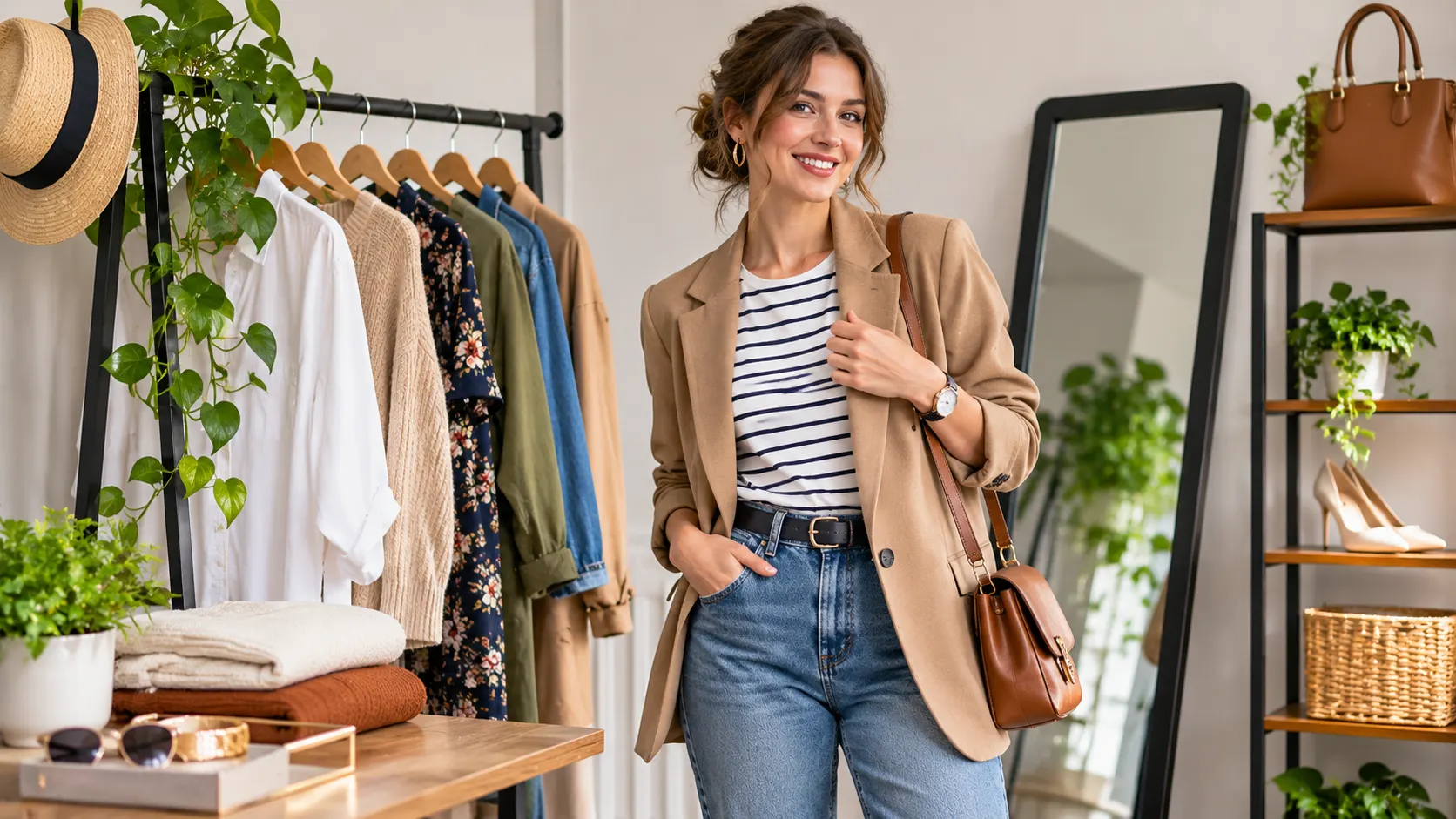
Looking stylish does not have to mean spending a fortune on new clothes, expensive accessories, or designer labels. With a little creativity and thoughtful shopping, anyone can build a wardrobe that feels comfortable, practical, and personal. Fashion on a budget is about making smart choices, combining existing pieces, and finding affordable ways to express your style. Whether you enjoy casual outfits, modern streetwear, or polished everyday looks, simple styling techniques can help you create attractive combinations without unnecessary spending.
What Does Fashion on a Budget Really Mean?
Fashion on a budget means developing your personal style while managing clothing expenses carefully. Instead of buying every new trend, the focus is on choosing useful pieces that work with your existing wardrobe. Affordable fashion does not require sacrificing creativity or individuality. It encourages thoughtful decisions that make clothing more practical, versatile, and enjoyable.
A budget-friendly wardrobe can include secondhand clothing, discounted items, simple basics, and occasional statement pieces. The key is understanding what you actually enjoy wearing rather than following every seasonal trend. When clothes suit your daily activities and preferences, they are more likely to be used regularly. This approach helps reduce unnecessary purchases and wardrobe clutter.
Building personal style also involves experimenting with combinations, colors, and accessories. A familiar outfit can feel different when paired with another jacket, bag, or pair of shoes. Small changes often provide enough variety without buying something new. Learning to work creatively with available clothing is one of the most valuable affordable styling skills.
Start With the Clothes You Already Own
Before shopping, spend time reviewing the clothing already available in your wardrobe. You may discover forgotten shirts, trousers, jackets, or accessories that still work well together. Organizing items by category makes it easier to recognize useful combinations. This simple activity can reveal outfit possibilities without requiring any additional purchases or complicated styling techniques.
Try creating several combinations using pieces that you normally wear separately. A basic button-down shirt might work with jeans, tailored trousers, or a casual skirt. Similarly, a lightweight cardigan can complement different outfits throughout the week. Experimenting with existing items helps you understand which colors, layers, and silhouettes feel most comfortable.
Pay attention to clothing that rarely gets worn and consider why it stays unused. Some pieces may need minor repairs, different styling, or more suitable matching items. Others may simply no longer reflect your preferences. Understanding these patterns can guide future purchases and help you avoid spending money on clothes that do not fit your lifestyle.
Build a Budget-Friendly Capsule Wardrobe
A capsule wardrobe is a small collection of clothing designed to work together in multiple combinations. It often includes versatile tops, bottoms, layers, and accessories suited to everyday activities. The goal is not to own a specific number of items. Instead, it is to make getting dressed easier by choosing pieces that complement one another.
Start with clothing you already wear frequently and enjoy. Comfortable jeans, simple shirts, versatile trousers, and practical outerwear can provide a useful foundation. Choose colors that combine easily with your existing pieces. A coordinated wardrobe makes it possible to create different looks without feeling pressured to purchase something new for every occasion.
Capsule wardrobes can also change with seasons, activities, and personal preferences. Someone who works in an office may need different essentials from someone who spends most days studying or working outdoors. There is no universal formula that suits everyone. The most effective capsule wardrobe reflects real routines while leaving room for individuality and creative styling.
Choose Versatile Basics That Work With Everything
Basic clothing pieces are useful because they can support different outfit styles. Plain T-shirts, comfortable trousers, simple shirts, and lightweight sweaters are examples of versatile wardrobe items. These pieces can be dressed up or down depending on the occasion. Choosing basics that match your preferences makes everyday outfit planning easier.
Neutral colors such as black, white, navy, gray, and beige often work with many other shades. However, budget fashion does not require wearing only neutral clothing. If brighter colors are part of your personal style, they can become useful wardrobe staples too. The important factor is selecting combinations that you genuinely enjoy.
Consider the practicality of each item before purchasing it. A shirt that works for casual outings, family gatherings, and everyday activities may offer more versatility than something reserved for one occasion. Fabric care requirements also matter. Clothes that suit your routine are easier to maintain and more likely to remain useful over time.
Shop Secondhand for Affordable Fashion Finds
Secondhand shopping offers an opportunity to discover clothing at lower prices than many new retail options. Thrift stores, resale platforms, and community clothing exchanges may carry a wide range of styles. Some items are nearly new, while others have noticeable wear. Careful selection helps you find pieces that match your preferences and practical needs.
Shopping secondhand can also introduce you to styles that are less common in current retail collections. Vintage-inspired jackets, patterned shirts, and unusual accessories may add character to everyday outfits. However, low prices should not be the only reason to buy something. Choose items you expect to wear rather than purchasing them simply because they are inexpensive.
Before purchasing secondhand clothing, inspect the fabric, seams, closures, and general condition. Check whether the item requires repairs or special cleaning that could increase its overall cost. Accurate measurements are especially helpful when buying online. A little attention during selection can make secondhand shopping more satisfying and reduce avoidable spending.
Learn How to Mix and Match Outfits
Mixing and matching is one of the easiest ways to create more outfits from fewer clothing pieces. Start with a familiar item, such as jeans or a simple skirt, and experiment with different tops. Changing shoes, jackets, or accessories can create a noticeably different appearance. This approach encourages creativity without requiring a completely new wardrobe.
Color coordination can make outfit planning simpler, especially when you are working with a limited selection. Try pairing one colorful piece with clothing that complements its shade. You can also experiment with contrasting colors or subtle patterns. There are no strict rules, so focus on combinations that feel comfortable and reflect your personality.
Layering provides another opportunity to refresh familiar outfits. A shirt worn beneath an open jacket creates a different effect from the same shirt worn alone. Cardigans, overshirts, and lightweight coats can introduce additional textures. Experimenting with these details helps make everyday styling more interesting while getting greater use from clothing you already own.
Use Accessories to Refresh Simple Outfits
Accessories can make familiar clothing combinations feel fresh without requiring major purchases. Bags, belts, scarves, hats, and jewelry provide opportunities to introduce color or texture. A simple outfit can take on a different character with one carefully chosen accessory. The goal is to complement your clothing rather than follow an expensive or complicated styling formula.
When shopping for accessories, consider how they work with several outfits. A practical everyday bag may be more useful than one that matches only a single look. Similarly, a comfortable belt or versatile scarf can serve different styling purposes. Choosing accessories based on usefulness helps keep spending manageable while supporting personal expression.
You can also experiment with accessories already available at home. Try wearing a familiar scarf differently or combining jewelry pieces in new ways. Even changing the bag or shoes you normally choose can refresh an outfit. Small adjustments help create variety without making additional shopping necessary every time your style preferences change.
Create Stylish Casual Outfits on a Budget
Casual fashion should feel comfortable and appropriate for your everyday activities. Simple jeans, relaxed trousers, T-shirts, and casual shirts can provide plenty of outfit combinations. These familiar pieces are easy to coordinate with different shoes and outer layers. Choosing clothes you enjoy wearing makes casual styling more practical than copying trends that do not suit your routine.
For a relaxed everyday look, combine comfortable denim with a plain shirt and suitable sneakers. Adding an overshirt or lightweight jacket can create another variation when the weather changes. A simple tote or crossbody bag may complete the outfit. This combination works well for many informal activities without requiring expensive clothing or accessories.
Casual skirts, loose trousers, and comfortable dresses provide additional possibilities. You can pair them with cardigans, simple tops, or everyday footwear depending on your preferences. Mixing textures and colors helps create different looks from familiar items. Budget-friendly casual fashion works best when it supports comfort, movement, and the activities you actually enjoy.
Put Together Affordable Work and Office Outfits
Professional clothing does not always require a large wardrobe or expensive labels. A few versatile pieces can support different workplace outfits when combined thoughtfully. Simple trousers, button-down shirts, skirts, and appropriate layers may form a practical foundation. The exact choices depend on workplace expectations, personal comfort, and the level of formality required.
A blazer can create a more structured appearance when paired with several existing outfits. For example, it may work with tailored trousers, a simple dress, or dark jeans where permitted. Neutral-colored outerwear can be especially easy to coordinate. However, selecting a blazer you genuinely enjoy wearing is more important than following a particular fashion trend.
Careful maintenance also helps professional clothing remain presentable. Clean garments, functional buttons, and suitable footwear can improve the overall impression of an outfit. Minor repairs may extend the usefulness of favorite pieces. Instead of constantly replacing workwear, focus on maintaining a small collection that supports your schedule and personal style.
Find Affordable Outfits for Special Occasions
Special occasions can create pressure to purchase clothing that may be worn only once. However, dressing for celebrations, dinners, or gatherings does not always require a completely new outfit. Start by exploring what you already own. Familiar clothing can often be styled differently using accessories, layers, or appropriate footwear.
Borrowing clothing from family members or friends can also provide additional options when everyone is comfortable with the arrangement. Clothing rental services may be worth considering for formal events, depending on availability and cost. These approaches can provide access to occasional styles without permanent purchases. Always consider the item’s condition, suitability, and total expense.
If you decide to buy something for an event, consider whether it could be worn again. A versatile dress, shirt, or pair of trousers may work for several future occasions. Choosing clothing you enjoy beyond one celebration can offer better long-term value. Affordable occasion dressing is about thoughtful choices rather than limiting your personal expression.
Use Seasonal Sales Without Overspending
Seasonal sales can provide opportunities to purchase useful clothing at reduced prices. However, discounts are most valuable when the item already fits your needs and preferences. A lower price does not automatically make something a good purchase. Planning ahead can help you distinguish genuinely useful items from products that are appealing only because they are on sale.
Before shopping, identify clothing that would improve your existing wardrobe. You might need a comfortable jacket, replacement shoes, or a practical everyday shirt. Keeping these priorities in mind can reduce impulse purchases. Comparing quality and final prices helps ensure that seasonal discounts contribute to your budget rather than creating unnecessary expenses.
Online promotions, clearance sections, and outlet collections may offer further options. However, shipping costs, return conditions, and product quality can affect the overall value. Review these details before purchasing. A thoughtful shopping approach allows you to enjoy affordable fashion finds while avoiding the pressure to buy something simply because an offer appears temporary.
Try DIY Fashion and Simple Clothing Upgrades
Simple clothing alterations can give older pieces a fresh appearance. Replacing damaged buttons, repairing small seams, or adjusting hems may extend the life of useful garments. These improvements are often more affordable than purchasing replacements. They also provide an opportunity to learn practical skills that support long-term wardrobe maintenance.
DIY fashion projects can include adding decorative patches, changing simple accessories, or customizing suitable clothing. The best projects begin with items that can be safely modified without losing their usefulness. Start with manageable changes before attempting complicated alterations. This approach helps reduce material waste and encourages experimentation without unnecessary expense.
Not every clothing item needs customization to remain interesting. Sometimes, professional repairs or basic maintenance provide a better result than decorative changes. Consider the fabric, construction, and intended use before modifying anything. Creative upgrades should support your preferences and comfort rather than creating an obligation to transform every older garment.
Choose Affordable Shoes That Match Multiple Outfits
Footwear can have a significant influence on how an outfit looks and feels. Choosing shoes that coordinate with different clothing combinations can simplify everyday styling. Comfortable sneakers, practical flats, and suitable casual shoes may cover several activities. The ideal selection depends on your routine, climate, and personal preferences rather than any fixed wardrobe checklist.
Neutral shoes can be especially versatile because they pair with many colors. However, a favorite bright-colored pair may also work across several outfits. Comfort, support, and appropriate fit should remain important considerations. Shoes that look appealing but feel uncomfortable are less likely to become practical additions to your wardrobe.
Maintaining footwear can help extend its usable life. Regular cleaning, appropriate storage, and timely minor repairs may prevent unnecessary replacements. Follow care instructions for leather, canvas, synthetic materials, and other shoe types. Choosing durable footwear based on actual usage offers more value than repeatedly purchasing inexpensive pairs that do not meet your needs.
Follow Fashion Trends Without Buying Everything
Fashion trends can provide useful inspiration, but they do not have to control your shopping decisions. New colors, patterns, and outfit combinations appear regularly across social media and retail collections. Instead of purchasing every trend, identify ideas that genuinely interest you. This approach allows you to enjoy changing styles while maintaining a manageable clothing budget.
You can often recreate a trend using pieces already available in your wardrobe. For example, a popular layering combination may work with a shirt and jacket you already own. Accessories can also introduce a trend-inspired detail without requiring a complete outfit change. Experimenting first helps determine whether a particular style feels right for you.
Personal style develops through preferences, experiences, and changing everyday needs. Some trends may become lasting favorites, while others may lose their appeal quickly. There is no requirement to adopt a particular look simply because it is popular. Budget fashion becomes easier when trends are treated as optional inspiration rather than necessary purchases.
Take Care of Clothes to Save Money
Proper clothing care is an important part of fashion on a budget. Washing and storing garments according to their care labels can help maintain their condition. Different fabrics may require different temperatures, detergents, or drying methods. Understanding these requirements reduces unnecessary damage and may extend the useful life of favorite clothing pieces.
Organized storage also makes wardrobe planning easier. Folding or hanging items appropriately can reduce wrinkles and help keep clothing accessible. Separating seasonal pieces may create additional space when storage is limited. When garments are easy to find, you are less likely to overlook useful options or purchase duplicates unnecessarily.
Regularly check clothing for loose buttons, small tears, and other repairable problems. Addressing minor damage before it becomes worse may prevent the need for replacement. You can learn simple repairs or use affordable alteration services when necessary. Caring for existing clothes supports both financial savings and a more practical approach to everyday fashion.
How to Build Your Own Budget Fashion Style
Developing a personal style begins with noticing which outfits make you feel comfortable and confident. Consider your favorite colors, fabrics, clothing combinations, and daily activities. These preferences provide useful guidance when selecting new pieces. There is no need to adopt a specific aesthetic or purchase an entirely new wardrobe to establish your style.
Creating a small collection of outfit inspiration can make styling decisions easier. Save ideas that reflect clothing you already own or could realistically wear. Look for repeated combinations, colors, and accessories that appeal to you. This process helps distinguish lasting preferences from short-lived shopping impulses while encouraging more intentional clothing choices.
Allow your style to change naturally as your interests and routines evolve. Some clothing may remain useful for years, while other pieces may eventually stop meeting your needs. Thoughtful updates can keep your wardrobe practical without constant shopping. Fashion on a budget works best when it supports individuality, comfort, and sensible spending rather than unnecessary restrictions.
Conclusion
Fashion on a budget is about making thoughtful clothing choices while expressing your personal style. Affordable outfits can be created through versatile basics, secondhand shopping, creative layering, and simple accessories. Expensive labels are not necessary for building a wardrobe that feels practical and enjoyable. Learning to use existing pieces effectively can make everyday styling easier.
Smart shopping habits also contribute to long-term savings. Choosing clothing based on actual needs, checking quality, and maintaining garments can reduce unnecessary replacement costs. Seasonal discounts and secondhand options may provide additional opportunities when purchases are genuinely useful. A balanced approach helps keep fashion spending manageable without removing creativity from the process.
Ultimately, budget-friendly fashion should make getting dressed more enjoyable, not more complicated. Focus on clothing that suits your lifestyle, experiment with combinations, and allow your preferences to develop naturally. Whether creating casual outfits or preparing for special occasions, simple styling choices can help you build a versatile wardrobe that reflects who you are.
Frequently Asked Questions
How Can I Look Stylish on a Low Budget?
Start by mixing existing clothes, choosing versatile basics, and experimenting with accessories. Secondhand shopping and simple repairs can also help you create attractive outfits without spending heavily on new items.
What Clothes Should I Buy First on a Budget?
Begin with practical pieces that match your daily routine and existing wardrobe. Comfortable tops, versatile bottoms, and suitable footwear are useful starting points, but the best choices depend on your personal needs.
How Can I Make Cheap Clothes Look Better?
Choose items you enjoy wearing, maintain them properly, and combine colors thoughtfully. Simple accessories, appropriate layering, and minor alterations can help create polished outfits without requiring expensive clothing brands.
Is Thrift Shopping Good for Budget Fashion?
Yes, thrift shopping can provide affordable clothing and unique styles. Inspect fabric quality, seams, sizing, and overall condition before buying. Choose pieces you expect to wear rather than purchasing everything discounted.
How Can I Follow Fashion Trends Without Spending Too Much?
Use trends for inspiration instead of treating them as shopping requirements. Recreate interesting combinations with existing clothes, experiment with accessories, and purchase new items only when they genuinely fit your preferences.