
Fashion is one of the easiest ways to express creativity, personality, and individuality. While some people prefer matching outfits and traditional clothing combinations, others enjoy mixing unexpected colors, patterns, and accessories. Eclectic fashion style celebrates this freedom by bringing different fashion influences together to create unique outfits that reflect personal taste rather than following one particular trend.
From vintage jackets and modern sneakers to colorful prints and statement jewelry, eclectic outfits combine elements that might not traditionally belong together. However, successful eclectic dressing involves more than randomly selecting clothing. Understanding proportions, textures, colors, and personal preferences helps create outfits that feel intentional, comfortable, and visually interesting.
Whether you want to experiment with bold accessories or completely refresh your wardrobe, eclectic fashion offers countless possibilities. You do not need expensive designer clothing or a large collection of trendy pieces to explore this aesthetic. This guide explains what eclectic fashion means, its defining characteristics, outfit ideas, and practical styling tips for beginners.
What Is Eclectic Fashion Style?
Eclectic fashion style is an approach to dressing that combines clothing, accessories, colors, and influences from different fashion aesthetics. Instead of following one established look, eclectic dressers mix elements from vintage, modern, bohemian, minimalist, and streetwear styles. The goal is to create outfits that reflect individual preferences and personal creativity.
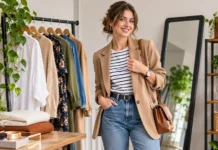
An eclectic outfit might combine a structured blazer with relaxed denim, patterned shoes, and vintage jewelry. Another combination could include a simple dress, an oversized cardigan, and colorful accessories. These pieces do not need to belong to the same fashion category. Their contrasting qualities can create an interesting and distinctive overall appearance.
The defining feature of eclectic fashion is flexibility. There are no strict requirements about which colors, materials, or fashion eras can appear together. However, thoughtful styling can make contrasting pieces feel connected. Developing an eclectic wardrobe involves experimenting with combinations while keeping comfort, practicality, and personal expression at the center of every outfit.
The History and Evolution of Eclectic Fashion
Eclectic fashion developed through the blending of different cultural influences, artistic movements, and clothing traditions. Throughout fashion history, people have combined garments from different periods and social contexts to express individuality. Designers and creative communities have also challenged conventional styling rules by experimenting with unusual combinations and contrasting silhouettes.
During the twentieth century, movements such as bohemian fashion, punk, and vintage revival encouraged personal expression through clothing. These styles often incorporated unexpected accessories, secondhand garments, and unconventional combinations. As fashion became more accessible, individuals began borrowing ideas from multiple aesthetics rather than following one established approach to dressing.
Today, eclectic fashion continues to evolve through street style, social media, vintage shopping, and independent designers. People can explore clothing influences from different decades and contemporary trends within the same wardrobe. However, eclectic style does not require constant trend participation. Its lasting appeal comes from the freedom to develop an individual approach to clothing.
Key Characteristics of Eclectic Fashion Style
One defining characteristic of eclectic fashion is the combination of contrasting elements. Tailored garments may appear alongside relaxed casual pieces, while traditional accessories complement contemporary clothing. This contrast creates variety within an outfit. The result can feel playful, creative, understated, or dramatic depending on the wearer’s preferences and chosen combinations.
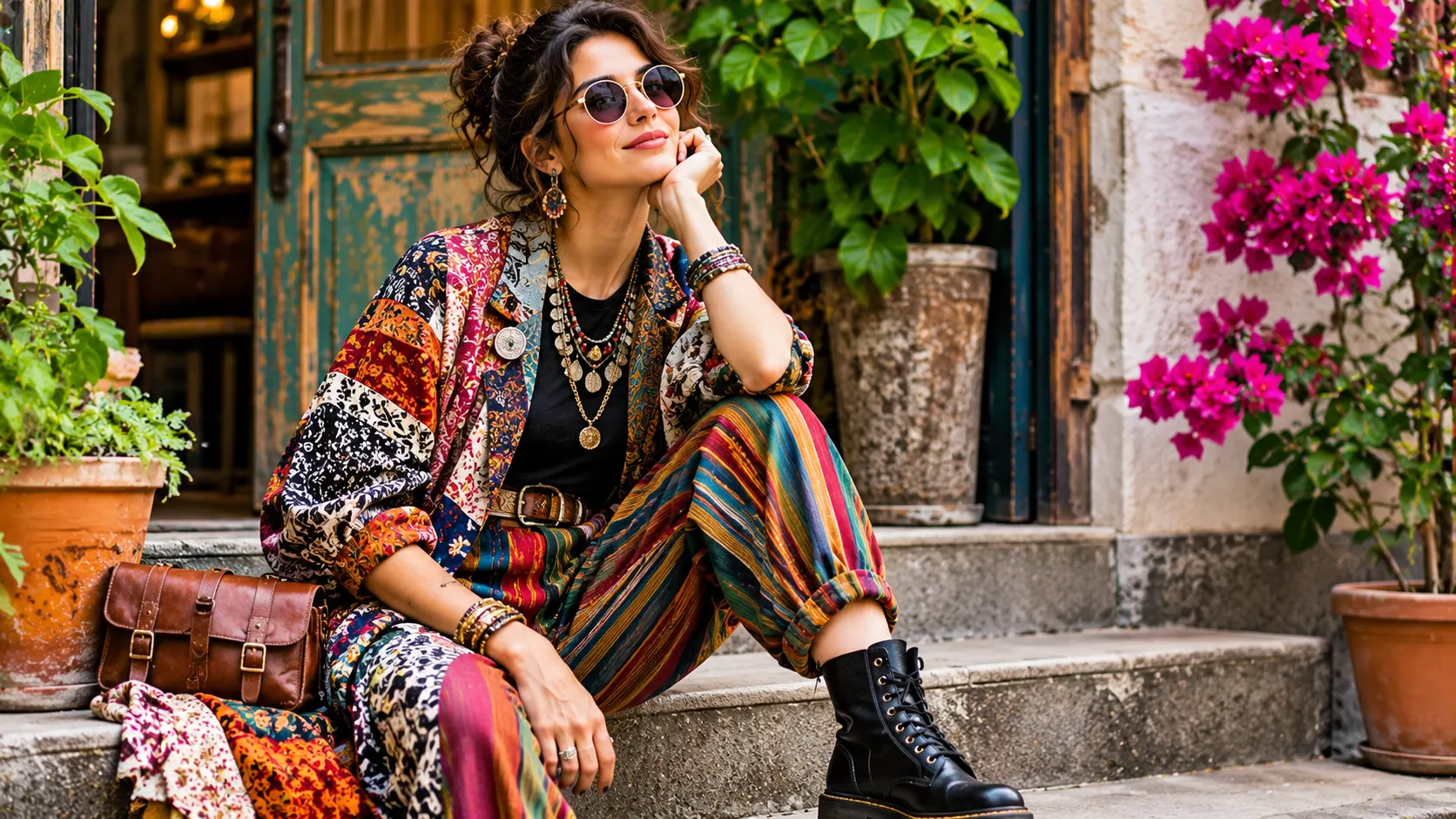
Colors and patterns are another important part of eclectic dressing. Some outfits incorporate bright shades and multiple prints, while others rely on neutral clothing with unexpected accessories. Mixing stripes, florals, checks, and geometric patterns can create interesting visual relationships. However, bold prints are optional rather than an essential requirement of eclectic fashion.
Accessories also contribute to the distinctive nature of this aesthetic. Vintage scarves, colorful bags, unusual shoes, and layered jewelry can transform otherwise simple clothing. Texture combinations create additional interest through materials such as denim, cotton, velvet, and leather. These details allow individuals to experiment without completely changing their existing wardrobes.
Eclectic Fashion vs. Other Fashion Aesthetics
Eclectic fashion differs from minimalist style because it does not prioritize visual simplicity or a limited selection of clothing influences. Minimalist outfits often emphasize restrained colors, clean silhouettes, and uncomplicated combinations. Eclectic dressing allows greater variety in patterns, textures, and styling references. However, an eclectic outfit can still be simple and understated.
Bohemian fashion shares some similarities with eclectic style, particularly its appreciation for artistic expression and relaxed clothing combinations. However, bohemian outfits often emphasize flowing silhouettes, earthy colors, and specific decorative influences. Eclectic fashion has a broader scope because it can combine bohemian elements with tailoring, sportswear, vintage clothing, or modern designs.
Maximalist fashion is another related aesthetic, but the two approaches are not identical. Maximalism often celebrates abundant color, decoration, and visual complexity. Eclectic style focuses on combining different influences, which may or may not produce a bold outfit. Understanding these differences helps you experiment without feeling restricted to one particular fashion category.
How to Start Dressing in Eclectic Fashion
Starting an eclectic wardrobe does not require purchasing an entirely new collection of clothing. Begin by examining pieces you already own and identifying combinations you have not previously tried. A classic shirt might work with patterned trousers, while an everyday dress could complement an unexpected jacket. Small experiments help you discover what feels comfortable.
Choose one contrasting element when creating your first eclectic outfits. For example, pair casual jeans with a formal blazer or combine a simple outfit with colorful accessories. This approach introduces variety without requiring complicated styling decisions. As you become more comfortable, you can experiment with additional patterns, textures, and clothing influences.
Personal preferences should guide every decision. Some people enjoy colorful combinations, while others prefer neutral outfits with unusual silhouettes or vintage details. Neither approach is more authentic than the other. Focus on building combinations that suit your activities, climate, and comfort needs instead of trying to copy someone else’s entire wardrobe.
How to Mix Colors in Eclectic Outfits
Color mixing is one of the most enjoyable parts of eclectic fashion. You can combine complementary shades, contrasting colors, or several tones from the same color family. For beginners, starting with familiar colors makes experimentation easier. Adding one unexpected shade through a bag, scarf, or pair of shoes can change the entire outfit.
Neutral colors provide a useful foundation for experimenting with stronger shades. Black, white, gray, beige, and navy can work alongside colorful clothing without requiring every garment to match exactly. For example, neutral trousers may complement a bright jacket and patterned accessories. This approach helps create variety while keeping the outfit practical.
Repeated colors can also connect different pieces within an eclectic ensemble. A shade appearing in a printed shirt might return in a handbag or pair of shoes. This creates a visual relationship between otherwise contrasting garments. However, exact color matching is unnecessary, and unexpected combinations can still work beautifully when they reflect personal taste.
Mixing Patterns Without Feeling Overwhelmed
Pattern mixing is a recognizable feature of eclectic dressing, but it does not have to be complicated. Begin by combining two prints with different scales, such as narrow stripes and larger floral designs. The contrast creates visual variety while allowing each pattern to remain noticeable. Experiment with combinations before deciding what suits your preferences.
Using a shared color can make multiple prints feel more connected. For example, a patterned skirt and printed shirt may contain similar shades even when their designs differ. This creates a relationship between the garments without requiring identical patterns. Neutral accessories can provide a quieter element when the clothing already contains several prints.
Pattern mixing should remain enjoyable rather than becoming a strict styling exercise. Some combinations may feel too busy for particular occasions, while others create the exact creative effect you want. Try different arrangements and consider how they look together. The best combinations are those that feel comfortable and appropriate for your personal style.
Playing With Textures and Fabrics
Texture adds another dimension to eclectic fashion because different materials create interesting visual and practical contrasts. Denim, knitwear, cotton, satin, and corduroy each bring distinctive qualities to an outfit. Combining these fabrics can make simple clothing feel more expressive. A knitted sweater worn with tailored trousers offers one easy example.
Layering different fabrics also helps adapt eclectic outfits to changing seasons. A lightweight shirt may work beneath a textured cardigan, while a structured jacket can complement a flowing dress. These combinations provide flexibility without requiring unusual clothing choices. Consider fabric weight and comfort when selecting layers for everyday activities.
Accessories offer another opportunity to experiment with texture. A woven bag, smooth leather belt, or patterned scarf can introduce contrast to a simple outfit. Materials do not need to match perfectly to work together. However, choosing pieces that remain comfortable and suitable for the weather makes eclectic dressing easier to incorporate into daily life.
Eclectic Fashion Outfit Ideas for Everyday Wear
Casual eclectic outfits can begin with familiar wardrobe essentials. Pair straight-leg jeans with a colorful shirt, vintage cardigan, and comfortable sneakers for a relaxed combination. Alternatively, wear simple trousers with a patterned jacket and contrasting accessories. These outfits demonstrate how everyday clothing can become more expressive through a few unexpected styling choices.
Dresses also provide useful foundations for eclectic outfits. A plain midi dress can be paired with a denim jacket, patterned scarf, and boots. For a different approach, combine a printed dress with a structured blazer and simple shoes. Changing accessories and outerwear creates several outfit possibilities without purchasing additional dresses.
Skirts and layered tops offer more opportunities for creative combinations. A pleated skirt might work with a casual sweatshirt, while a denim skirt can complement a tailored shirt. Experiment with different proportions and textures to discover comfortable combinations. Everyday eclectic fashion works best when the outfit supports your routine while expressing individuality.
Eclectic Fashion for Work and Professional Settings
Eclectic fashion can be adapted to professional environments without ignoring workplace expectations. Start with traditional office clothing such as tailored trousers, button-down shirts, or simple blazers. Add personality through an interesting print, textured accessory, or distinctive color combination. The aim is to maintain practical professional clothing while introducing creative details.
For example, neutral trousers can be paired with a patterned blouse and a classic jacket. Another option involves combining a simple dress with colorful flats or a textured cardigan. These outfits retain familiar workwear elements while offering personal expression. Consider your workplace’s dress code when deciding how experimental to make each combination.
Creative workplaces may allow more flexibility with silhouettes, patterns, and accessories. However, even formal environments can accommodate subtle eclectic touches through scarves, bags, or jewelry. Choose clothing that allows comfortable movement throughout the working day. A thoughtful balance between function and individuality makes eclectic dressing suitable for different professional settings.
Eclectic Streetwear and Casual Fashion
Streetwear provides an accessible foundation for eclectic fashion because it already incorporates diverse clothing influences. Oversized shirts, relaxed trousers, sneakers, and casual jackets can be combined with unexpected accessories. Vintage pieces also work well within this approach. The result is a flexible everyday style that can change according to personal preferences.
A graphic T-shirt can be paired with tailored trousers and casual trainers for an interesting contrast. Alternatively, a sporty jacket may complement a long skirt or patterned shirt. Mixing formal and casual pieces adds variety without making clothing difficult to wear. These combinations are particularly useful for weekend activities and informal social gatherings.
Layering plays an important role in eclectic streetwear. Hoodies, denim jackets, lightweight coats, and open shirts can create different silhouettes and textures. Accessories such as caps, scarves, and crossbody bags provide additional styling options. Choose combinations that allow comfortable movement and reflect the activities you have planned for the day.
Vintage Clothing in Eclectic Fashion
Vintage clothing is especially useful for eclectic styling because it introduces designs from different fashion periods. Secondhand jackets, patterned shirts, and classic accessories can add distinctive details to modern outfits. Mixing older garments with contemporary basics creates an interesting relationship between past and present fashion. This approach also encourages creative use of existing clothing.
A vintage blazer may work with relaxed jeans and modern sneakers. Similarly, a retro printed blouse can be paired with simple trousers and contemporary accessories. These combinations allow older garments to feel relevant without recreating a complete historical outfit. The goal is to incorporate pieces you enjoy rather than follow a particular decade.
Secondhand shopping can also make eclectic fashion more affordable. Charity shops, resale stores, and clothing exchanges may offer unusual items that are difficult to find in mainstream collections. Check garment condition, measurements, and care requirements before purchasing. Thoughtful secondhand shopping helps build a varied wardrobe while reducing unnecessary clothing purchases.
Best Accessories for Eclectic Fashion Outfits
Accessories can transform a simple outfit into something more expressive without requiring major wardrobe changes. Scarves, handbags, belts, hats, and jewelry provide opportunities to introduce contrasting styles. For example, a vintage scarf can complement a modern shirt and jeans. Small accessories are particularly useful when experimenting with eclectic fashion for the first time.
Statement jewelry can create interesting combinations when mixed with different clothing styles. A traditional pendant may work with a contemporary jacket, while colorful earrings can complement a neutral outfit. Layered necklaces and bracelets offer additional flexibility. However, accessories should remain comfortable and practical for your activities rather than creating inconvenience.
Footwear also influences the overall character of an eclectic outfit. Sneakers can make formal clothing feel more relaxed, while boots may add a distinctive contrast to flowing dresses. Loafers, flats, and sandals provide further styling possibilities. The right shoes should suit the weather, walking requirements, and occasion while supporting your preferred combination.
Building an Eclectic Wardrobe on a Budget
Creating an eclectic wardrobe does not require expensive clothing or frequent shopping. Start by reviewing the garments you already own and experimenting with unfamiliar combinations. Pieces that previously seemed unrelated may work together when styled differently. This approach helps you explore your preferences before deciding whether additional clothing is necessary.
Secondhand stores and clothing swaps can provide affordable opportunities to discover interesting pieces. Look for items that complement several garments already in your wardrobe. A distinctive jacket or patterned shirt may create multiple outfit combinations. Avoid purchasing clothing simply because it appears unusual, especially when it does not suit your lifestyle.
Repairing and altering existing garments can also introduce variety. Changing buttons, adjusting hems, or adding suitable accessories may refresh clothing you no longer wear regularly. These changes can help develop a more personal wardrobe. Building eclectic style gradually encourages thoughtful choices and reduces pressure to follow every new fashion trend.
Eclectic Fashion for Different Seasons
Spring provides an opportunity to experiment with lightweight layers, colorful prints, and comfortable transitional clothing. A patterned shirt can be combined with relaxed trousers and a light jacket. Scarves and cardigans add flexibility when temperatures change throughout the day. Choose breathable fabrics that remain comfortable during unpredictable spring weather.
Summer eclectic outfits can include loose shirts, lightweight dresses, relaxed shorts, and colorful accessories. Combining different prints or silhouettes creates variety without requiring heavy layers. Breathable materials such as cotton and linen can help improve comfort in warm conditions. Practical footwear and suitable sun protection should remain part of everyday outfit planning.
Autumn and winter offer additional opportunities for texture mixing and layering. Knitted sweaters, long coats, denim, corduroy, and scarves can create interesting combinations. A colorful cardigan may complement neutral trousers, while a patterned coat adds character to basic clothing. Prioritize warmth and weather protection when experimenting with seasonal eclectic outfits.
Common Eclectic Fashion Mistakes to Avoid
One common mistake is assuming that eclectic fashion requires every outfit to contain numerous colors and patterns. Although bold combinations are possible, they are not mandatory. Eclectic style is primarily about blending influences and expressing personal preferences. Simple clothing with one unexpected accessory can communicate the same creative approach.
Another mistake involves purchasing unusual garments without considering how they fit into an existing wardrobe. A distinctive item may look interesting on its own but remain unused if it does not suit your activities. Before buying, imagine several possible outfit combinations. This encourages practical choices while allowing room for experimentation and individuality.
Ignoring comfort can also make eclectic dressing difficult to maintain. Combining different silhouettes and fabrics should not mean wearing clothing that restricts movement or feels unsuitable for the weather. Experiment with proportions while considering everyday practicality. A successful eclectic wardrobe should support your lifestyle rather than require constant adjustments throughout the day.
How to Develop Your Own Eclectic Fashion Identity
Developing a personal eclectic style begins with identifying clothing elements you genuinely enjoy. Consider your favorite colors, fabrics, silhouettes, and accessories without restricting yourself to one aesthetic. You may appreciate vintage jackets, modern sneakers, and minimalist trousers equally. These preferences can become the foundation for a distinctive wardrobe.
Experimentation helps reveal which combinations feel natural. Try pairing familiar garments in new ways and notice how different colors, patterns, and textures interact. Taking outfit photos can help you remember combinations you enjoy. However, developing personal style does not require constant documentation or comparison with other people’s wardrobes.
Your eclectic fashion identity can change over time as interests, routines, and preferences evolve. Clothing that works for one season or life stage may become less useful later. Allow your wardrobe to adapt without following rigid styling expectations. The most meaningful eclectic style reflects your personality while remaining comfortable, functional, and enjoyable.
Conclusion
Eclectic fashion style celebrates creativity by combining different clothing influences, patterns, textures, and accessories. It offers an alternative to following one specific aesthetic and encourages individuals to explore their personal preferences. Whether you enjoy subtle combinations or expressive outfits, eclectic dressing provides flexibility for different occasions and lifestyles.
Starting an eclectic wardrobe does not require expensive shopping or complicated styling techniques. Experiment with existing clothing, introduce contrasting accessories, and explore combinations that feel comfortable. Vintage pieces, casual basics, and traditional garments can work together in countless ways. Thoughtful experimentation helps develop confidence in your personal clothing choices.
The most rewarding part of eclectic fashion is the freedom to create outfits that feel individual and practical. There are no fixed rules about how many styles you can combine or which influences you must follow. By prioritizing creativity, comfort, and personal expression, you can develop an eclectic wardrobe that continues evolving with you.
Frequently Asked Questions
What Does Eclectic Fashion Style Mean?
Eclectic fashion style means combining clothing, accessories, colors, and influences from different aesthetics. It encourages personal expression through unexpected combinations rather than following one traditional fashion style or a fixed set of dressing rules.
How Do You Dress in an Eclectic Style?
Start by mixing clothing from different fashion categories, such as tailored blazers with casual jeans or vintage accessories with modern outfits. Experiment with colors, textures, and patterns while prioritizing comfort and personal preferences.
Is Eclectic Fashion the Same as Maximalism?
No, eclectic fashion focuses on combining different style influences, while maximalism often emphasizes abundant colors, patterns, and decoration. Eclectic outfits can be bold or understated, depending on the wearer’s preferences.
Can Eclectic Fashion Be Worn Every Day?
Yes, eclectic fashion works well for everyday activities because it can incorporate comfortable clothing and practical accessories. Simple combinations involving casual basics, interesting layers, and contrasting pieces are easy to adapt to daily routines.
Do You Need Expensive Clothes for Eclectic Fashion?
No, eclectic fashion does not require expensive clothing. Existing wardrobe pieces, secondhand garments, and affordable accessories can create interesting combinations. Creativity and thoughtful styling matter more than designer labels or high prices.