

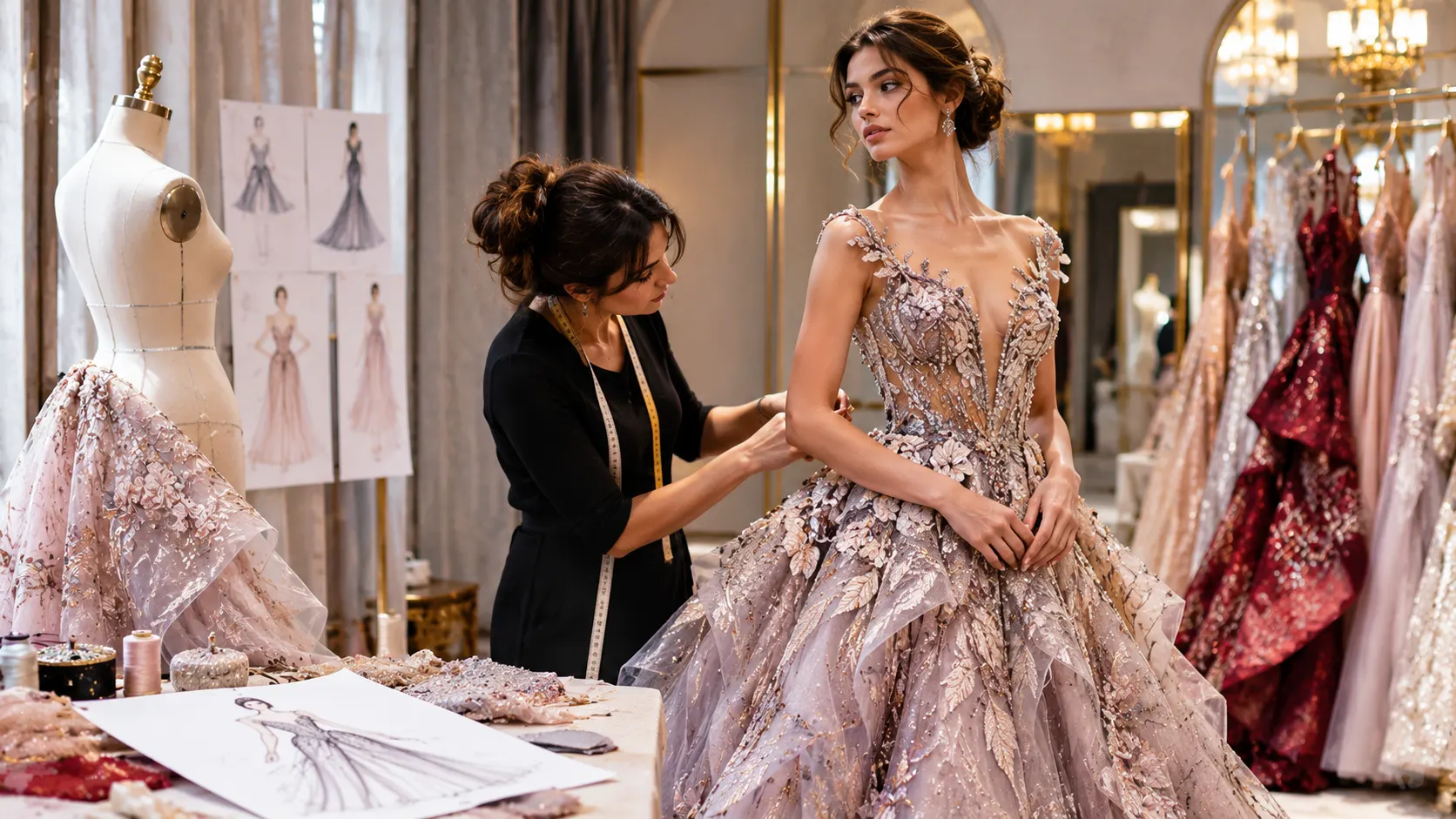
Haute couture represents one of the most creative and exclusive areas of the fashion industry. It combines exceptional craftsmanship, carefully selected fabrics, and personalized clothing designs. Unlike everyday fashion, haute couture focuses on creating extraordinary garments through detailed handwork, artistic expression, and expert tailoring.
Many people associate haute couture with luxurious runway shows, dramatic evening gowns, and famous fashion houses. However, its influence extends beyond expensive designer clothing. Elements such as beautiful embroidery, structured silhouettes, and thoughtful styling can inspire practical outfits for everyday life.
Understanding haute couture can help you appreciate the difference between custom-made fashion and mass-produced clothing. You can also borrow ideas from couture collections without purchasing expensive designer pieces. This guide explains haute couture, its history, essential features, and easy styling tips for creating elegant outfits.
What Is Haute Couture in Fashion?
Haute couture is a French term that translates to “high sewing” or “high dressmaking.” It refers to exceptionally detailed fashion created with advanced techniques and personalized craftsmanship. Genuine haute couture garments are typically made for individual clients, with careful attention to measurements, fit, and design preferences.
In France, haute couture is also a protected fashion designation. Fashion houses must meet specific requirements to receive official recognition under the system overseen by the French fashion industry’s governing institutions. This distinction separates officially recognized haute couture from clothing that is simply luxurious or custom-made.
Haute couture designs frequently feature detailed embroidery, hand-finished seams, and carefully constructed shapes. Designers may spend considerable time developing individual garments to achieve their intended appearance. Although these creations are exclusive, their techniques and artistic ideas often influence wider fashion trends and ready-to-wear collections.
The History and Evolution of Haute Couture
The origins of modern haute couture are closely connected to nineteenth-century Paris. Charles Frederick Worth is widely recognized as an important pioneer of the modern couture fashion house. His approach helped establish the designer as a creative authority who presented original collections to wealthy clients.
During the twentieth century, influential designers transformed haute couture through innovative silhouettes and construction techniques. Fashion houses introduced distinctive shapes, luxurious materials, and new approaches to elegant dressing. Couture gradually became associated with both traditional craftsmanship and artistic experimentation.
Today, haute couture continues to combine established techniques with contemporary creative ideas. Designers explore unusual materials, advanced construction methods, and modern interpretations of classic garments. Although the number of customers is relatively small, couture remains an important source of inspiration within the international fashion industry.
Haute Couture vs Ready-to-Wear Fashion
Haute couture and ready-to-wear fashion differ mainly in production methods, exclusivity, and customization. Haute couture garments are typically created for individual clients through detailed fittings and specialized craftsmanship. Ready-to-wear clothing is produced in standard sizes and offered through boutiques, department stores, and online retailers.
Ready-to-wear collections are designed for a broader audience and usually involve repeated production of the same styles. Haute couture focuses on highly individualized construction, often involving extensive handwork. This difference explains why couture garments generally require more time and specialized labor to produce.
Both categories contribute to the fashion industry in different ways. Couture allows designers to explore creative possibilities with fewer commercial limitations, while ready-to-wear makes fashion more accessible. Many styling ideas originally seen in couture collections eventually influence clothing available at different price points.
What Makes Haute Couture So Special?
Exceptional craftsmanship is one of the defining characteristics of haute couture. Skilled artisans use specialized techniques to construct garments with remarkable precision. Hand embroidery, intricate pleating, delicate fabric manipulation, and detailed finishing can transform a simple design into an elaborate fashion creation.
Personalization also makes couture different from standard clothing production. Garments are developed around the client’s measurements and preferences, often requiring multiple fittings. This process allows designers and dressmakers to refine proportions, construction, and decorative elements throughout the garment’s development.
Another distinctive feature is the creative freedom involved in couture design. Fashion houses can experiment with unconventional shapes, dramatic proportions, and imaginative materials. These creations often emphasize artistic expression, making haute couture an important intersection between fashion, craftsmanship, and visual art.
Popular Fabrics Used in Haute Couture
Silk is a popular material in haute couture because of its versatility and elegant appearance. Different silk fabrics create different effects, from flowing chiffon to structured silk gazar. Designers select materials according to the garment’s intended silhouette, movement, and decorative details.
Tulle, lace, organza, and velvet are also frequently associated with couture fashion. These fabrics can add transparency, texture, volume, or visual richness to a design. Delicate materials often require careful cutting, controlled stitching, and specialized handling to achieve the desired results.
Couture designers may also incorporate innovative textiles and unusual fabric combinations. Metallic materials, sculptural textiles, and hand-embellished surfaces provide additional opportunities for creativity. Understanding these fabric choices can help you recognize couture-inspired details when selecting clothing for your own wardrobe.
Signature Elements of Haute Couture Designs
Dramatic silhouettes are among the most recognizable features of haute couture. Designers may use structured shoulders, sculpted waists, flowing skirts, or exaggerated proportions to create a strong visual impression. These elements make couture garments distinctive even when decorative details remain minimal.
Intricate embellishments are another important characteristic. Hand-applied beads, sequins, embroidery, and delicate fabric flowers can introduce texture and visual depth. Some couture garments feature decorative techniques developed specifically for an individual collection or design.
Precise construction is equally important, even when it is not immediately visible. Internal support structures, carefully shaped seams, and hand-finished details help garments maintain their intended form. Together, these elements demonstrate why couture is valued for both its appearance and technical craftsmanship.
Famous Haute Couture Fashion Houses
Several influential fashion houses have played important roles in the history of haute couture. <Entity category=”brand” value=”Chanel” disambig=”French luxury fashion house”/> is widely associated with refined tailoring, elegant fabrics, and distinctive decorative details. Its couture collections have helped shape ideas about sophisticated dressing across generations.
<Entity category=”brand” value=”Christian Dior” disambig=”French luxury fashion house”/> is another major name in couture history, particularly because of its influential postwar silhouettes. The fashion house became known for carefully constructed shapes and luxurious design. <Entity category=”brand” value=”Givenchy” disambig=”French luxury fashion house”/> has also contributed to couture through elegant tailoring and distinctive approaches to formal fashion.
Other important names in couture history include <Entity category=”brand” value=”Schiaparelli” disambig=”French couture fashion house”/> and <Entity category=”brand” value=”Valentino” disambig=”Italian luxury fashion house”/>. Each has contributed different artistic ideas and techniques to luxury fashion. Official couture recognition and participation can change, so historical influence should not be confused with current membership status.
How Haute Couture Influences Everyday Fashion
Haute couture may seem distant from everyday clothing, but its influence appears in many familiar styles. Runway collections introduce ideas involving color combinations, garment shapes, and decorative techniques. Over time, some of these elements influence more practical clothing designs.
For example, structured blazers, statement sleeves, and pleated skirts can reflect techniques associated with couture fashion. These details can be adapted into wearable garments without copying an entire runway look. The result is clothing that feels distinctive while remaining appropriate for everyday activities.
Couture also encourages attention to garment quality and fit. Rather than relying only on trends, you can focus on construction, fabric texture, and how clothing works together. This approach helps create a thoughtful wardrobe inspired by craftsmanship rather than exclusivity alone.
Easy Haute Couture Styling Tips for Beginners
The easiest way to explore haute couture styling is to begin with one distinctive clothing item. A structured jacket, elegant blouse, or beautifully pleated skirt can become the main feature of an outfit. Pairing it with simpler pieces creates balance without making the overall appearance overly complicated.
Pay attention to fit and proportion when choosing couture-inspired clothing. A tailored garment can create a polished appearance when its construction suits your preferences and allows comfortable movement. Simple alterations may also improve how existing clothes fit, making them feel more personalized.
Accessories provide another accessible way to experiment with couture-inspired fashion. Decorative brooches, sculptural earrings, and textured handbags can add visual interest to basic outfits. Choose a few coordinated details rather than combining every statement accessory at once.
How to Create a Couture-Inspired Outfit on a Budget
Creating a couture-inspired outfit does not require purchasing designer clothing. Start by exploring your existing wardrobe for garments with interesting textures, structured shapes, or decorative details. Combining familiar pieces in new ways can create a fresh appearance without additional spending.
Secondhand stores and vintage shops can also offer distinctive clothing that reflects classic couture influences. Look for well-made jackets, embroidered blouses, pleated skirts, and interesting accessories. Examine the fabric, stitching, and overall condition before deciding whether an item suits your wardrobe.
Simple customization can make ordinary clothing feel more individual. Adding decorative buttons, replacing a belt, or adjusting a hem can change the appearance of a garment. Focus on small improvements that complement your personal style rather than trying to recreate an elaborate runway design exactly.
Haute Couture-Inspired Casual Outfit Ideas
Casual outfits can incorporate couture-inspired details without becoming overly formal. A crisp blouse with interesting sleeves can work beautifully with straight-leg jeans and simple shoes. This combination creates contrast between an expressive garment and practical everyday clothing.
A structured blazer is another versatile option for casual styling. Wear it with relaxed trousers, a plain shirt, or a simple skirt for a balanced appearance. Choosing a blazer with distinctive buttons, textured fabric, or thoughtful tailoring can introduce subtle couture influences.
Pleated skirts, scarves, and decorative knitwear also provide easy opportunities for experimentation. These pieces can be paired with familiar wardrobe basics for school, social occasions, or casual outings. The goal is to enjoy creative styling while maintaining comfort and practicality.
Elegant Haute Couture Ideas for Special Occasions
Special occasions provide opportunities to explore more dramatic couture-inspired fashion. A dress with sculptural sleeves, beautiful draping, or delicate embroidery can create a memorable appearance. Select a design that suits the event and allows you to move comfortably throughout the occasion.
Coordinated separates can also produce an elegant result. A satin blouse paired with tailored trousers or a flowing skirt offers a flexible alternative to a formal gown. Interesting textures and carefully chosen accessories can make the outfit feel distinctive without excessive decoration.
For evening events, consider using one focal point to guide the entire outfit. This might be an embellished neckline, a dramatic fabric texture, or a sculptural accessory. Keeping other elements relatively simple helps the main design feature remain visually prominent.
How to Mix Couture Details With Minimalist Fashion
Minimalist fashion and haute couture can work surprisingly well together. Both approaches can emphasize shape, construction, and thoughtful clothing choices. A simple outfit becomes more expressive when one garment features an unusual silhouette or carefully designed detail.
For example, a plain monochrome outfit can be paired with a structured jacket or sculptural handbag. This creates visual interest without introducing numerous competing colors or patterns. Neutral shades can also help highlight fabric textures and construction details.
Another approach involves selecting clothing with subtle decorative elements. A blouse with carefully arranged pleats or a skirt with an asymmetric hem can introduce couture influences. These details add personality while preserving the clean appearance often associated with minimalist dressing.
Choosing Accessories for Haute Couture-Inspired Looks
Accessories play an important role in connecting different parts of an outfit. Haute couture collections frequently use jewelry, belts, gloves, and decorative headpieces to complete a design. Everyday styling can borrow this attention to detail without requiring extravagant accessories.
Statement earrings can complement a simple dress, while an elegant belt may add definition to a tailored outfit. A textured handbag can introduce contrast when the clothing features smooth fabrics. Matching every accessory is unnecessary, but the pieces should work together visually.
Consider the occasion and practical needs before choosing accessories. Lightweight jewelry and comfortable shoes may be more suitable for long events or active days. The best couture-inspired accessories enhance your outfit while remaining easy to wear and maintain.
Common Mistakes to Avoid With Couture-Inspired Fashion
One common styling mistake is combining too many dramatic elements in a single outfit. Bold sleeves, elaborate embroidery, bright patterns, and oversized accessories can compete for attention. Selecting one or two main features often creates a clearer and more intentional appearance.
Another mistake is overlooking comfort and garment functionality. A visually impressive outfit may not be practical if it restricts movement or requires constant adjustment. Consider fabric breathability, ease of movement, and the activities planned for the day.
It is also important not to assume that expensive clothing automatically reflects superior craftsmanship. Price alone does not guarantee quality, construction, or suitability. Examine materials and finishing details, and choose garments that match your preferences rather than relying entirely on designer labels.
How to Care for Delicate Couture-Inspired Clothing
Delicate clothing requires appropriate care to preserve fabric quality and decorative details. Always check garment care labels before washing, drying, or ironing. Materials such as silk, lace, and heavily embellished fabrics may require specialized cleaning methods.
Proper storage can also help protect clothing between uses. Lightweight garments may be hung on suitable padded hangers, while heavy embellished pieces often benefit from careful flat storage. Keep garments away from excessive moisture, direct sunlight, and overcrowded closets.
Small repairs can help extend the useful life of special clothing. Loose buttons, damaged hems, and minor stitching problems should be addressed before they become more serious. For valuable or highly delicate garments, professional cleaning and repairs may be the safest option.
Is Haute Couture Worth the Investment?
Haute couture is exceptionally expensive because of its personalized production, skilled labor, and specialized materials. Individual garments may require extensive development and multiple fittings. For a small number of clients, these qualities make couture valuable as wearable craftsmanship and creative expression.
However, couture is not a practical financial investment for most people. Purchase prices can be substantial, and future resale values are uncertain. Costs related to maintenance, storage, and alterations may also add to the expense of owning an elaborate garment.
Fortunately, appreciating couture does not require purchasing it. Fashion exhibitions, design books, and accessible couture-inspired clothing can provide opportunities to explore its artistic traditions. Learning about garment construction and experimenting with personal styling offers a practical way to enjoy couture’s influence.
Conclusion
Haute couture represents a remarkable combination of craftsmanship, creativity, and personalized fashion design. Its history, intricate construction techniques, and artistic collections have influenced the fashion industry for generations. Although genuine couture is highly exclusive, its ideas remain relevant to everyday clothing and modern styling.
You can create couture-inspired outfits by focusing on interesting silhouettes, quality fabrics, thoughtful proportions, and carefully selected accessories. Structured blazers, embroidered details, and flowing garments provide simple starting points. Mixing these pieces with everyday wardrobe essentials makes creative fashion easier to approach.
The most important lesson from haute couture is the value of thoughtful design and individual expression. You do not need expensive clothing to appreciate beautiful construction or experiment with distinctive details. With creativity and practical styling choices, couture inspiration can become part of your personal wardrobe.
Frequently Asked Questions
What does haute couture mean?
Haute couture is a French term meaning high sewing or high dressmaking. It refers to highly specialized, handcrafted fashion, while official use of the designation in France is subject to specific industry requirements.
What is the difference between haute couture and luxury fashion?
Haute couture involves highly personalized craftsmanship and a formally regulated designation in France. Luxury fashion is a broader category that includes premium ready-to-wear clothing, accessories, and other expensive designer products.
Can ordinary people wear haute couture-inspired fashion?
Yes, anyone can explore couture-inspired clothing through structured tailoring, decorative fabrics, elegant accessories, and creative styling. You can adapt these elements to everyday outfits without purchasing officially recognized haute couture garments.
Why is haute couture so expensive?
Haute couture is expensive because garments require specialized craftsmanship, individual fittings, premium materials, and extensive production time. Intricate embroidery and complicated construction can further increase the labor involved in creating each piece.
How can I achieve a haute couture look on a budget?
Start with well-fitting wardrobe basics and add one distinctive garment or accessory. Vintage shopping, thoughtful alterations, and carefully selected fabrics can help create couture-inspired outfits without requiring a large clothing budget.