

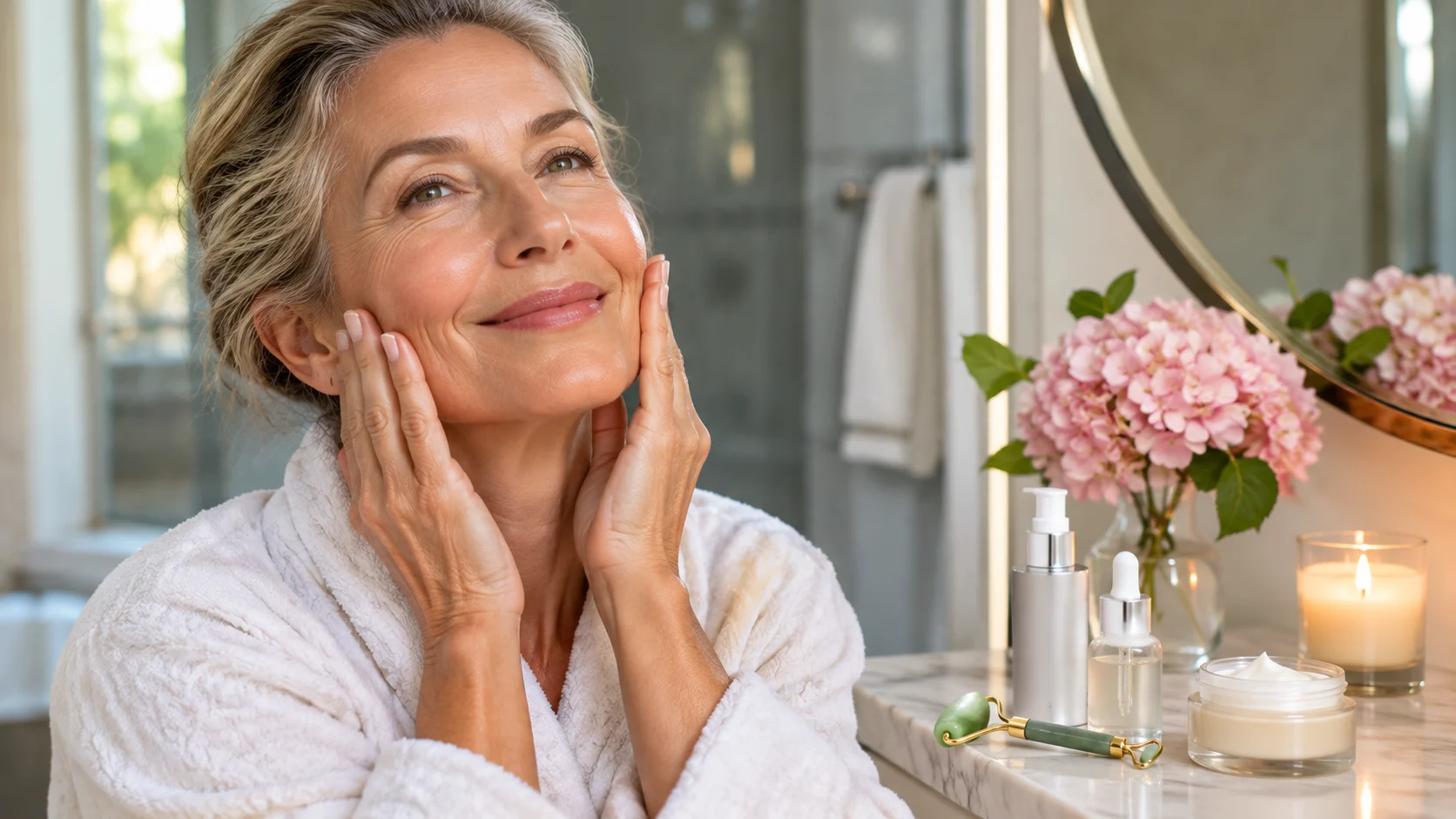
Mature skin deserves gentle care, proper hydration, and a skincare routine that supports its natural health. As skin changes over time, it may become drier, more delicate, or less able to retain moisture. These changes are a normal part of aging and do not mean your skin is unhealthy. Simple, consistent skincare habits can help maintain comfort, softness, and a naturally radiant appearance.
Learning how to keep mature skin looking radiant does not require expensive products or complicated beauty treatments. A few well-chosen skincare essentials can support the skin barrier and improve moisture retention. Daily sun protection, gentle cleansing, and regular moisturizing are particularly useful. Understanding your skin’s changing needs makes it easier to choose suitable products without overwhelming your routine.
Radiant skin is not about removing every line, wrinkle, or visible sign of aging. Healthy-looking skin can have natural texture, expression lines, and individual characteristics. The goal is to support skin comfort, protect against environmental damage, and maintain a fresh appearance. This guide explains practical ways to care for mature skin through daily skincare, balanced habits, and thoughtful product choices.
Understand How Mature Skin Changes Over Time
As people age, their skin naturally undergoes changes in structure, moisture retention, and elasticity. Collagen and elastin production and organization change over time, influencing how the skin feels and responds to movement. The skin may also produce less oil, making dryness more noticeable. Understanding these developments helps you select skincare products that support comfort and hydration.
Hormonal changes can also influence mature skin, particularly during and after menopause. Some people notice increased dryness, changes in texture, or greater sensitivity to certain skincare ingredients. Environmental factors, genetics, and previous sun exposure contribute to individual differences. Because everyone’s skin is unique, there is no single skincare routine that works equally well for everyone.
A useful approach begins with observing how your skin feels throughout the day. Notice whether it becomes tight after cleansing or uncomfortable in dry weather. These signs may indicate that your routine needs more moisturizing or gentler products. Rather than focusing only on appearance, prioritize how your skin responds to daily care and environmental conditions.
Build a Gentle Daily Skincare Routine
A simple skincare routine provides a reliable foundation for maintaining healthy-looking mature skin. Start with a gentle cleanser that removes everyday dirt and excess oil without leaving the skin uncomfortable. Follow with a suitable moisturizer and daily sun protection. These basic steps help maintain the skin barrier while reducing unnecessary exposure to irritating ingredients.
Morning skincare can remain straightforward, especially when your skin feels sensitive or dry. Cleanse gently if needed, apply moisturizer, and finish with broad-spectrum sunscreen. Products containing hydrating ingredients may offer additional comfort during dry weather. Allow each product to settle according to its instructions before applying makeup or other cosmetic products.
An evening routine should focus on removing makeup, sunscreen, and daily buildup without excessive scrubbing. Use a gentle cleanser and follow with a moisturizer suitable for your skin type. You may include additional skincare products when they address a specific concern. However, introducing several active ingredients at once can make irritation more difficult to identify.
Keep Mature Skin Hydrated With the Right Moisturizer
Hydration is an important part of keeping mature skin comfortable and radiant. As natural oil production and moisture retention change, the skin may benefit from richer moisturizing products. Ingredients such as glycerin, hyaluronic acid, and ceramides can support hydration and barrier function. Choosing a suitable formula helps reduce dryness and maintain a softer skin texture.
Hyaluronic acid is a humectant that helps attract and retain water in the skin’s outer layers. Glycerin provides similar moisture-supporting benefits and appears in many everyday moisturizers. Ceramides help support the protective skin barrier by maintaining important components of its outer structure. These ingredients can work together to improve comfort without requiring an elaborate skincare routine.
Apply moisturizer after cleansing, preferably while the skin is still slightly damp. This can help reduce moisture loss and support a comfortable feeling throughout the day. If your skin becomes particularly dry, a thicker cream may be more suitable than a lightweight lotion. Choose products according to your skin’s needs rather than assuming expensive formulas always perform better.
Protect Your Skin From Sun Damage Every Day
Sun protection is one of the most effective ways to support long-term skin health. Ultraviolet radiation can contribute to premature skin changes, uneven pigmentation, and skin cancer. Mature skin benefits from the same careful sun protection recommended throughout adulthood. Using sunscreen regularly helps protect exposed areas while supporting the skin’s natural appearance over time.
Choose a broad-spectrum sunscreen with SPF 30 or higher for everyday use. Apply it generously to exposed skin, including the face, neck, ears, and hands. Reapply approximately every two hours when outdoors, and after swimming or sweating, according to product instructions. Sunscreen works best alongside shade, protective clothing, and sensible outdoor habits.
Some people prefer moisturizing sunscreens because they combine sun protection with ingredients that support skin comfort. Mineral and chemical sunscreen formulations can both provide effective protection when correctly used. The most suitable option is one that feels comfortable and encourages consistent application. Regular sun protection matters more than following temporary beauty trends or purchasing expensive products.
Use Gentle Exfoliation to Support Skin Radiance
Exfoliation removes some of the dead skin cells that accumulate on the skin’s surface. When used appropriately, it can help improve the appearance of uneven texture and make skin feel smoother. However, mature skin may be more sensitive to aggressive exfoliation methods. Gentle products and careful application are usually better choices than frequent or forceful scrubbing.
Chemical exfoliants such as lactic acid and certain other alpha hydroxy acids are sometimes included in skincare products for texture concerns. Their effects depend on concentration, formulation, and individual skin tolerance. Some products can cause irritation or increase sensitivity to sunlight. Follow the label instructions, use appropriate sun protection, and avoid combining multiple strong exfoliating products without professional guidance.
Exfoliation is not an essential step for everyone, particularly when skin is already dry or reactive. If a product causes burning, persistent redness, or discomfort, stop using it. A gentle cleanser and good moisturizer may be sufficient for your routine. Maintaining a healthy skin barrier is more important than trying to achieve an artificially smooth appearance.
Choose Skincare Ingredients That Support Mature Skin
Selecting useful ingredients is easier when you understand what each product is designed to do. Niacinamide, a form of vitamin B3, can support skin barrier function and help improve the appearance of uneven tone. It is included in many moisturizers and serums. Product strength and formulation influence how comfortably different skin types tolerate it.
Vitamin C is another commonly used skincare ingredient because of its antioxidant properties. Certain formulations may help improve the appearance of uneven pigmentation and support protection against environmental stress. However, vitamin C products vary significantly in stability and concentration. Individuals with sensitive skin may prefer gentler formulas and should introduce new products gradually.
Retinoids are sometimes used to address concerns involving skin texture and visible signs of photoaging. These ingredients can be effective, but they may also cause dryness and irritation, especially when first introduced. A dermatologist can help determine whether a retinoid is appropriate for your skin. No active ingredient is necessary simply because someone has reached a particular age.
Support Skin Health Through Balanced Nutrition
Everyday nutrition supports normal skin function by providing essential nutrients needed throughout the body. Protein contributes to tissue maintenance, while vitamins and minerals participate in important biological processes. Fruits, vegetables, whole grains, and varied protein sources can form part of a balanced eating pattern. Healthy skin benefits from overall nourishment rather than relying on one particular food.
Foods containing vitamin C contribute to normal collagen formation and other bodily functions. Sources include citrus fruits, peppers, strawberries, and several vegetables. Nuts, seeds, and suitable oils provide nutrients that support general health. Eating a variety of foods is usually more helpful than searching for a single ingredient advertised as a miracle skincare solution.
Regular hydration also supports normal bodily functions, including those involved in skin health. Drink fluids according to your needs, activities, and environmental conditions. However, drinking excessive water does not automatically improve dry skin or remove wrinkles. A balanced approach combines appropriate fluid intake with topical moisturizing and protection from environmental stress.
Get Enough Sleep and Manage Everyday Stress
Sleep supports many of the body’s normal maintenance and recovery processes. A consistent sleep schedule can contribute to overall well-being and help people feel more refreshed. Although sleep cannot stop natural skin aging, adequate rest is an important part of a healthy routine. Prioritizing sleep can also make everyday self-care easier to maintain.
Stress may influence skin conditions and contribute to changes in comfort or sensitivity for some people. Finding manageable ways to relax can support general health and emotional well-being. Activities such as reading, gentle movement, enjoyable hobbies, or spending time outdoors may be helpful. The most useful routine is one that fits naturally into your lifestyle.
Try to avoid placing unnecessary pressure on yourself to maintain a perfect appearance. Skin changes naturally with age, sleep patterns, health, and environmental conditions. A supportive skincare routine should feel manageable rather than becoming another source of stress. Consistent habits usually offer a more practical approach than frequently switching between complicated beauty treatments.
Keep Your Neck, Hands, and Body Moisturized
Facial skincare often receives the most attention, but mature skin on the neck, hands, and body also benefits from gentle care. These areas may experience dryness or regular environmental exposure. Applying moisturizer after bathing or washing can help maintain comfort. Choose products appropriate for the specific area and avoid harsh ingredients when sensitivity is present.
Hands can become especially dry because of frequent washing, cleaning products, and weather conditions. A fragrance-free hand cream may help reduce dryness and protect the skin barrier. Applying moisturizer after washing is a practical habit. Gloves can also provide protection during household tasks involving water, detergents, or other potentially irritating substances.
Body moisturizers containing glycerin, ceramides, or other suitable ingredients can help support comfortable skin. Use lukewarm rather than very hot water when bathing if heat makes your skin feel dry. Pat the skin gently before applying moisturizer. Small adjustments to everyday routines can improve comfort without requiring numerous specialized products for every area of the body.
Adapt Your Skincare Routine to Weather and Sensitivity
Environmental conditions can affect how mature skin feels and behaves throughout the year. Cold weather and low humidity may increase dryness, while warm weather can influence sweating and product preferences. Indoor heating and air conditioning may also contribute to moisture loss. Adjusting your skincare routine according to these conditions can help maintain comfort.
During colder months, some people benefit from richer moisturizers and gentle cream-based cleansers. A humidifier may help in particularly dry indoor environments when used and maintained properly. In warmer weather, lightweight moisturizers may feel more comfortable. Daily sun protection remains important regardless of temperature, cloud cover, or seasonal changes.
Sensitive skin may react to fragrances, harsh cleansing ingredients, or frequent product changes. Consider fragrance-free formulations if your skin becomes irritated easily. Introduce one new product at a time and follow its recommended use. If irritation persists, a dermatologist can help identify possible causes and recommend a routine suited to your needs.
Know When to Seek Professional Skincare Advice
Professional guidance can be useful when skin concerns do not improve with ordinary care. Persistent dryness, itching, irritation, or unexplained changes may require medical assessment. Some symptoms can involve conditions that are not solved by cosmetic products alone. A dermatologist can evaluate the skin and recommend appropriate treatment when necessary.
Regular attention to unusual skin changes is also important as people grow older. Watch for new or changing spots, sores that do not heal, or other concerning developments. These changes should be assessed by a healthcare professional rather than covered with cosmetic products. Early evaluation can help identify conditions that require medical attention.
A dermatologist can also help simplify a skincare routine when multiple products cause confusion or sensitivity. They may recommend suitable moisturizers, sun protection, or targeted treatments based on individual concerns. Professional guidance is particularly valuable when using prescription skincare products. The goal should be comfortable, healthy skin supported by appropriate care and realistic expectations.
Conclusion
Keeping mature skin looking radiant begins with understanding its natural changes and responding with gentle, consistent care. Regular moisturizing, suitable cleansing, and daily sun protection form a practical foundation. Ingredients such as glycerin, ceramides, and hyaluronic acid can support hydration and barrier function. These steps help maintain skin comfort without requiring an unnecessarily complicated routine.
Healthy lifestyle habits also contribute to overall skin well-being. Balanced nutrition, adequate hydration, consistent sleep, and manageable stress levels support the body’s normal functions. Skin on the hands, neck, and body deserves attention alongside facial skincare. Adjusting products to seasonal conditions and individual sensitivity can make daily care more comfortable.
Most importantly, radiant mature skin does not need to be free of lines, texture, or other natural signs of aging. Every person’s skin changes differently, and there is no single standard for healthy appearance. Focus on protection, hydration, and products that genuinely suit your needs. A simple, thoughtful approach can help mature skin feel comfortable and look naturally refreshed.
Frequently Asked Questions (FAQs)
How can I make mature skin look naturally radiant?
Use a gentle cleanser, apply a suitable moisturizer, and protect your skin with broad-spectrum SPF 30 or higher sunscreen. Consistent skincare, adequate sleep, and balanced nutrition can also support healthy-looking skin.
What is the best moisturizer for mature skin?
A moisturizer containing ingredients such as ceramides, glycerin, or hyaluronic acid can support hydration and skin barrier function. The best formula depends on your skin’s dryness, sensitivity, and personal preferences.
Is vitamin C good for mature skin?
Vitamin C can provide antioxidant benefits and certain formulations may improve the appearance of uneven skin tone. Choose a product suitable for your skin type and introduce it gradually to reduce potential irritation.
How often should mature skin be exfoliated?
Exfoliation frequency depends on skin sensitivity and the product used. Some people benefit from occasional gentle exfoliation, while others may not need it. Avoid over-exfoliating and stop using products that cause irritation.
Can mature skin stay healthy without expensive skincare products?
Yes, effective skincare does not require luxury products. A gentle cleanser, reliable moisturizer, and broad-spectrum sunscreen can provide a strong foundation. Consistency and suitable ingredients matter more than product prices.