

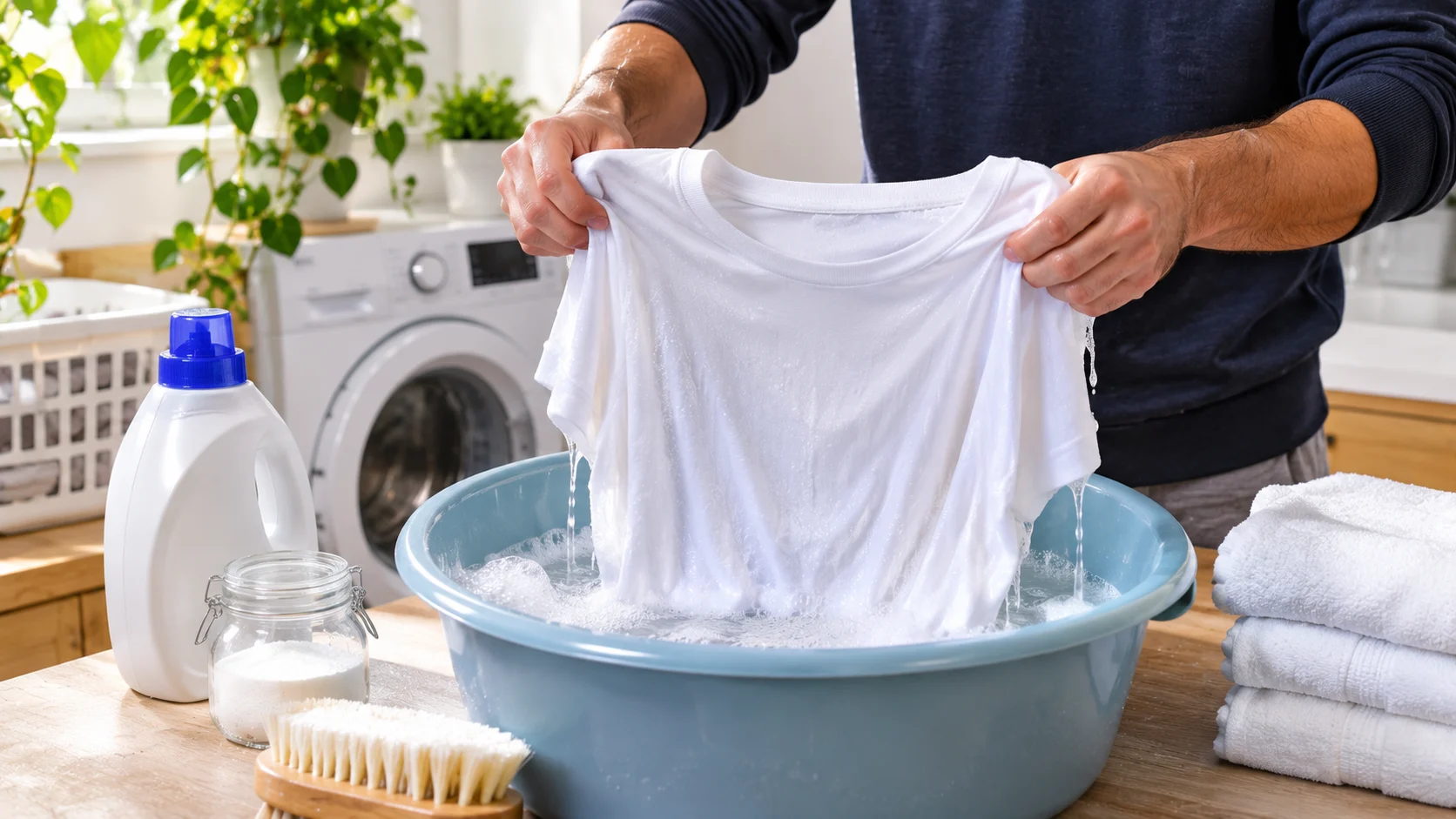
How to Wash a White T-shirt Without Damaging It
A white T-shirt is a versatile wardrobe essential, but keeping it clean and bright can sometimes be challenging. Sweat, everyday dirt, food spills, and incorrect washing methods can gradually affect its appearance. Learning how to wash a white T-shirt properly helps prevent discoloration, protect the fabric, and maintain its original quality.
Many people make the mistake of washing white T-shirts with colored clothing or using excessive amounts of detergent. These habits can cause unwanted color transfer, detergent buildup, and fabric damage. Following a suitable washing routine can help keep your favorite white clothing looking fresh without relying on harsh cleaning products.
Whether your T-shirt is made from cotton, polyester, or blended fabrics, proper garment care is essential. Checking the care label, selecting an appropriate water temperature, and treating stains before washing can make a significant difference. These simple steps can extend the useful life of your white T-shirts and keep them comfortable.
Check the Care Label Before Washing
Before washing a white T-shirt, always read the care label attached to the garment. This label provides important information about suitable washing temperatures, drying methods, and cleaning restrictions. Following these instructions helps protect the fabric from unnecessary damage, particularly when the T-shirt contains delicate materials, decorative prints, or special finishes.
Different fabrics require different washing conditions to maintain their quality. Cotton T-shirts may tolerate warmer water when permitted by the care label, while polyester and blended materials often benefit from cooler washing temperatures. Certain garments may also require gentle washing cycles to protect their stitching, shape, and decorative details.
Pay attention to instructions regarding bleaching, ironing, and tumble drying. Ignoring these recommendations can cause shrinkage, discoloration, or permanent damage to certain materials. Taking a moment to check the garment care label before washing is one of the simplest ways to prevent common laundry mistakes and protect your favorite clothing.
Separate White T-shirts From Colored Clothing
Sorting your laundry is an important step when washing white T-shirts because colored clothing may release dye during the washing process. This dye can transfer onto white fabrics, causing unwanted discoloration. Washing white garments separately helps reduce this risk and maintain their original brightness through repeated cleaning cycles.
Dark jeans, brightly colored shirts, and newly purchased clothing are particularly important to separate from white garments. Some fabrics release more dye during their first few washes, even when they appear suitable for ordinary machine washing. Keeping these items in separate laundry loads can help prevent difficult color-transfer stains.
You should also consider separating heavily soiled clothing from lightly worn white T-shirts. Towels and other rough materials may create additional friction during washing, potentially affecting delicate fabrics. Organizing laundry according to color, fabric type, and soil level helps improve cleaning results while protecting the condition of your white clothing.
Treat Stains Before Washing Your White T-shirt
Treating stains before washing can help prevent them from becoming more difficult to remove. Common T-shirt stains include food spills, sweat marks, coffee, and everyday dirt. Addressing these marks promptly gives suitable cleaning products a better opportunity to remove the affected material without requiring repeated washing or excessive fabric handling.
For ordinary stains, gently blot the affected area with a clean cloth and follow the instructions on a fabric-safe laundry stain remover. Avoid aggressively rubbing the material because this can spread certain stains or damage the fibers. Check the care label before applying any cleaning product, particularly on printed T-shirts.
Inspect the stained area after washing and before placing the garment in a dryer. High drying temperatures can make some remaining stains more difficult to remove. If the mark remains visible, repeat a suitable stain treatment according to the product instructions instead of immediately exposing the affected fabric to additional heat.
Choose the Right Detergent for White T-shirts
Using a suitable laundry detergent is essential for removing dirt, sweat, and ordinary residue from white clothing. Detergents designed for white fabrics may contain ingredients that help maintain brightness and reduce dullness. However, their suitability depends on the T-shirt’s fabric composition and the manufacturer’s washing recommendations for that particular garment.
Liquid detergents generally dissolve easily in water and can be useful for everyday laundry. Powder detergents may also provide effective cleaning, although their performance depends on water temperature, water hardness, and product formulation. Choose a detergent that is compatible with both your washing machine and the fabric you intend to clean.
Avoid using more detergent than recommended because excessive amounts may leave residue inside fabric fibers. This buildup can make white T-shirts appear dull or feel uncomfortable against the skin. Following the dosage instructions according to laundry load size, soil level, and water conditions can help achieve more consistent cleaning results.
What Is the Best Water Temperature for White T-shirts?
The best water temperature for washing a white T-shirt depends on its fabric, care instructions, and level of dirt. Cool water is generally suitable for routine washing because it helps protect many fabrics from unnecessary shrinkage and damage. It can also reduce energy consumption compared with washing at higher temperatures.
Warm water may provide effective cleaning for certain cotton garments when their care labels permit it. However, warmer washing conditions are not necessary for every white T-shirt. Some materials, including polyester blends and shirts containing elastic fibers, may lose their shape or deteriorate more quickly when repeatedly exposed to excessive heat.
Always follow the maximum washing temperature stated on the garment care label. Avoid assuming that hotter water automatically produces cleaner or brighter clothing. Combining an appropriate water temperature with suitable detergent and proper stain treatment is generally more effective than relying entirely on heat to remove everyday dirt and discoloration.
How to Wash a White T-shirt in a Washing Machine
Start by separating your white T-shirt from colored garments and checking its care label for specific washing instructions. Examine the fabric for stains, loose stitching, or decorative details that may require additional attention. Turning printed T-shirts inside out can help reduce friction against their designs during the washing process.
Place the T-shirt inside the washing machine with other compatible white garments, leaving enough space for the clothing to move freely. Select a washing cycle appropriate for the fabric and add the recommended amount of detergent. Overloading the machine can reduce cleaning effectiveness and prevent detergent from rinsing away properly.
Once the washing cycle finishes, remove the T-shirt promptly to prevent unnecessary wrinkles and unpleasant odors. Check whether any visible stains remain before proceeding with drying. Following a consistent washing routine and avoiding excessive detergent or heat can help maintain the brightness and overall quality of your white clothing.
How to Hand Wash a White T-shirt
Hand washing can be a practical alternative for white T-shirts made from delicate fabrics or featuring decorative details. It allows greater control over how the garment is handled during cleaning. This method can also be useful when washing a single T-shirt without running an entire machine cycle.
Fill a clean basin with water at a temperature permitted by the garment care label. Add an appropriate amount of detergent suitable for hand washing and gently move the T-shirt through the water. Avoid excessive rubbing, stretching, or twisting because these actions can damage sensitive fibers and affect the garment’s shape.
Rinse the T-shirt thoroughly with clean water until the detergent has been removed. Gently press out excess moisture without twisting the fabric aggressively, then follow the recommended drying instructions. Proper hand washing can provide effective cleaning while reducing unnecessary friction and mechanical stress on delicate white clothing.
How to Remove Yellow Sweat Stains From White T-shirts
Yellow stains around the collar and underarm areas are common problems associated with white T-shirts. These marks can develop when sweat, body oils, and certain deodorant ingredients accumulate within fabric fibers. Over time, repeated exposure may cause noticeable discoloration that becomes more difficult to remove through ordinary washing alone.
A laundry stain remover formulated for sweat and body oil stains may help address this type of discoloration. Choose a product that is compatible with the garment and follow its instructions carefully. Older stains may require repeated appropriate treatments, although some permanent discoloration cannot be completely reversed without damaging the fabric.
Washing your T-shirt promptly after heavy sweating can help reduce the amount of residue remaining within its fibers. Allowing deodorant to dry before putting on clothing may also reduce product transfer. These simple habits can help prevent recurring yellow marks and maintain the fresh appearance of your favorite white T-shirts.
How to Keep White T-shirts From Turning Gray
White T-shirts can gradually develop a gray or dull appearance because of accumulated dirt, detergent residue, mineral deposits, or dye transfer. Washing whites alongside darker clothing may contribute to this problem, particularly when garments release small amounts of color. Improper rinsing can also leave unwanted residue trapped within fabric fibers.
Using an appropriate amount of detergent and avoiding overloaded washing machines can help prevent dirt from settling back onto clean clothing. If your household has hard water, choose a detergent suitable for those conditions. Regular washing machine maintenance according to its manufacturer’s instructions can also support more effective laundry cleaning.
A fabric-compatible laundry whitening product may help improve the appearance of certain dull white garments when used according to its directions. However, excessive treatment can damage fibers and shorten the garment’s useful life. Consistent sorting, proper detergent dosage, and thorough rinsing are generally better approaches to maintaining brightness over time.
Should You Use Bleach on White T-shirts?
Bleach is sometimes used to remove stubborn stains or improve the brightness of white clothing. However, not every white T-shirt is suitable for bleaching, even when the fabric appears durable. Certain materials, printed designs, elastic fibers, and protective finishes may become damaged when exposed to inappropriate bleaching products.
Oxygen-based laundry products may be suitable for some washable white garments when their care labels permit their use. Chlorine bleach can be more damaging to certain fabrics and may cause unwanted discoloration or fiber weakening. Always review both the garment care instructions and the cleaning product’s safety information before considering these treatments.
Never mix bleach with vinegar, ammonia, or other cleaning products, as dangerous chemical reactions may occur. Keep cleaning chemicals away from children and follow all manufacturer safety precautions. For ordinary white T-shirt maintenance, suitable laundry detergent and prompt stain treatment are often sufficient without requiring stronger chemical products.
How to Dry a White T-shirt Properly
Proper drying is just as important as washing when it comes to maintaining the shape and quality of a white T-shirt. Excessive heat can cause certain fabrics to shrink, weaken, or lose their original appearance. Selecting an appropriate drying method helps protect the garment while keeping it ready for regular use.
Air drying is a practical option for many white T-shirts because it avoids the high temperatures associated with some tumble dryers. Gently reshape the garment after washing and dry it according to its care instructions. Delicate or heavy wet T-shirts may benefit from flat drying to reduce unnecessary stretching.
If you use a tumble dryer, select a temperature and drying cycle permitted by the garment care label. Avoid leaving the T-shirt inside the dryer longer than necessary because excessive drying can contribute to fabric wear. Remove the garment promptly once dry to help reduce wrinkles and unnecessary heat exposure.
Common Mistakes to Avoid When Washing White T-shirts
One common mistake is washing white T-shirts together with dark or brightly colored garments. Even small amounts of transferred dye can affect the original brightness of white clothing. Separating laundry by color and fabric type provides a simple way to reduce this problem and improve the overall washing results.
Another mistake is using excessive detergent, unnecessarily hot water, or cleaning products that are incompatible with the fabric. These habits can contribute to residue buildup, shrinkage, and material damage. Following garment care labels and laundry product instructions is generally more effective than using increasingly aggressive cleaning methods to achieve better results.
Ignoring stains before drying is another common laundry problem that can make future cleaning more difficult. Always inspect your white T-shirt after washing and address any remaining marks before exposing it to high heat. These straightforward precautions can help prevent avoidable damage and extend the useful life of your clothing.
Conclusion
Learning how to wash a white T-shirt properly can help maintain its brightness, comfort, and original fabric quality. Simple habits such as separating white clothing, treating stains promptly, and choosing an appropriate detergent can make a noticeable difference. Following the garment care label also helps prevent unnecessary shrinkage and discoloration.
Selecting suitable water temperatures, avoiding excessive detergent, and using appropriate drying methods can protect your favorite white T-shirts throughout repeated washing cycles. Regular attention to sweat stains and everyday dirt can also help prevent long-term buildup. Harsh cleaning products are generally unnecessary when clothing receives consistent and appropriate care.
Ultimately, keeping white T-shirts clean and fresh does not require expensive products or complicated laundry routines. Focus on gentle fabric care, correct washing settings, and proper maintenance rather than relying on aggressive cleaning treatments. With these simple practices, your favorite white T-shirts can remain reliable wardrobe essentials for longer.
FAQs
What is the best way to wash a white T-shirt?
Wash white T-shirts separately from colored clothing using suitable detergent and the recommended water temperature. Treat visible stains beforehand and follow the garment care label for washing and drying instructions.
Should you wash white T-shirts in hot or cold water?
Cool water is generally suitable for everyday washing, while warm water may be appropriate for certain cotton garments. Always follow the care label to prevent unnecessary shrinkage or fabric damage.
How do you keep white T-shirts looking bright?
Separate whites from colored garments, use the recommended amount of detergent, treat stains promptly, and avoid overloading your washing machine. Thorough rinsing can also help prevent dullness caused by residue buildup.
Why do white T-shirts turn yellow?
White T-shirts may turn yellow because of accumulated sweat, body oils, deodorant residue, aging fabric, or unsuitable cleaning products. Regular washing and prompt stain treatment can help reduce discoloration.
Can you wash a white T-shirt with colored clothes?
It is generally better to wash white T-shirts separately because colored garments may release dye during washing. Separating laundry helps prevent unwanted color transfer and maintain the brightness of white fabrics.